
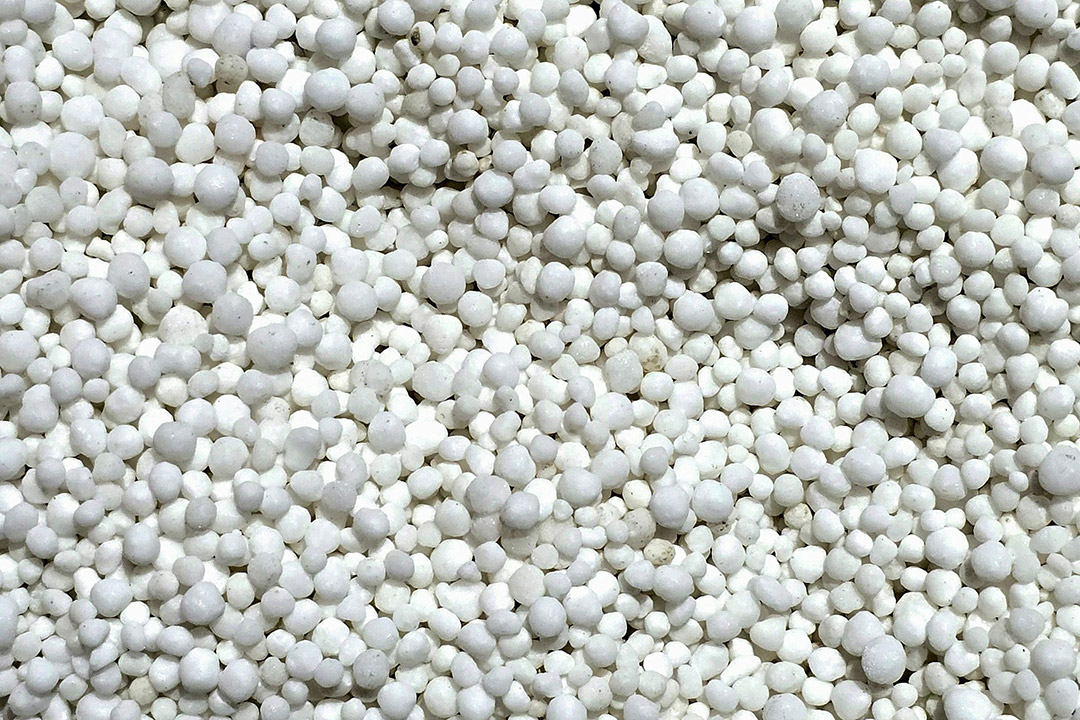
Modern agriculture relies on fertiliser, but there are serious risks associated with handling and storing these chemicals. Fertiliser that is hygroscopic (easily absorbs moisture) may clump and lose its effectiveness. More importantly, some nitrogen-based fertilisers, including ammonium nitrate (AN), present safety risks, such as the possibility of thermal breakdown (which releases harmful fumes) or, in severe pollution and heat situations, combustion.
The proper packaging solution is essential for any business handling large amounts of fertiliser, whether it is a farmer, chemical manufacturer, or transporter. In a highly controlled supply chain, packaging can be the first line of defence, guaranteeing not just product quality and safety but also logistical efficiency.
Custom Bulk Bags (CBB) is a manufacturer and supplier of bulk bags in South Africa. We produce 3.5 million bags a year – all of which can safely hold between 500kg and 2000kg each. Our packaging products are sought after by farmers and chemical manufacturers who store bulk quantities of fertiliser.
Why use bulk bags to store fertiliser?
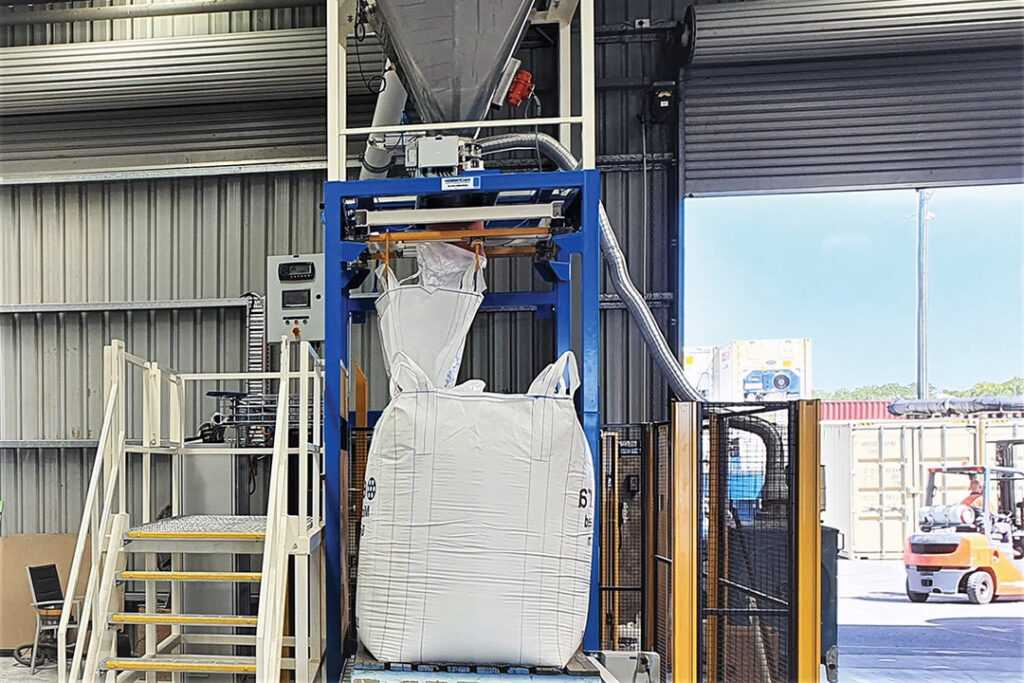
Bulk bags, sometimes called flexible intermediate bulk containers (FIBCs), are the industry standard for handling large amounts of dry fertiliser. For storage and transportation, these packaging solutions have three primary advantages over other options:
1. Prevent accidents and contamination – A bulk bag’s structural integrity reduces spills, which are a significant source of contamination and possible health risks from breathing in fertiliser dust and fumes. Avoiding contamination with organic elements (such as wood) is essential to reducing the danger of decomposition for compounds like AN.
2. Maintains fertiliser quality – Fertiliser quickly absorbs moisture, causing it to cake or harden and become unsuitable for mechanical spreaders. Bulk bags provide excellent protection against humidity and moisture intrusion, maintaining the fertiliser’s free-flowing state and efficacy, especially when fitted with inner liners and moisture barriers.
3. Fulfil local and international compliance – Packaging for hazardous goods, such as some AN fertilisers, must adhere to stringent national and international safety regulations, such as the UN Recommendations on the Transport of Dangerous Goods. Regulatory compliance is ensured by using a UN-certified FIBC, preventing expensive fines for non-compliance.
Top tips for storing fertiliser safely
Safe storage of fertiliser requires a methodical approach to facility management, handling, and training, in addition to the packaging itself. Here are our top tips:
1. Store in dry, cool, and well-ventilated spaces – The main threat to fertiliser is moisture. To stop moisture from seeping in from the ground or the surrounding air, fertiliser needs to be kept in a dry room with adequate ventilation.
Some fertilisers can start to break down at high temperatures because they are heat-sensitive, so a cool and enclosed room is required. However, to avoid the accumulation of potentially dangerous vapours, there must be enough airflow.
It’s also important to keep incompatible compounds apart. Ammonium nitrate, for instance, needs to be kept well away from fuels, urea, lime, insecticides, and any combustible organic products (wood, hay, etc.).
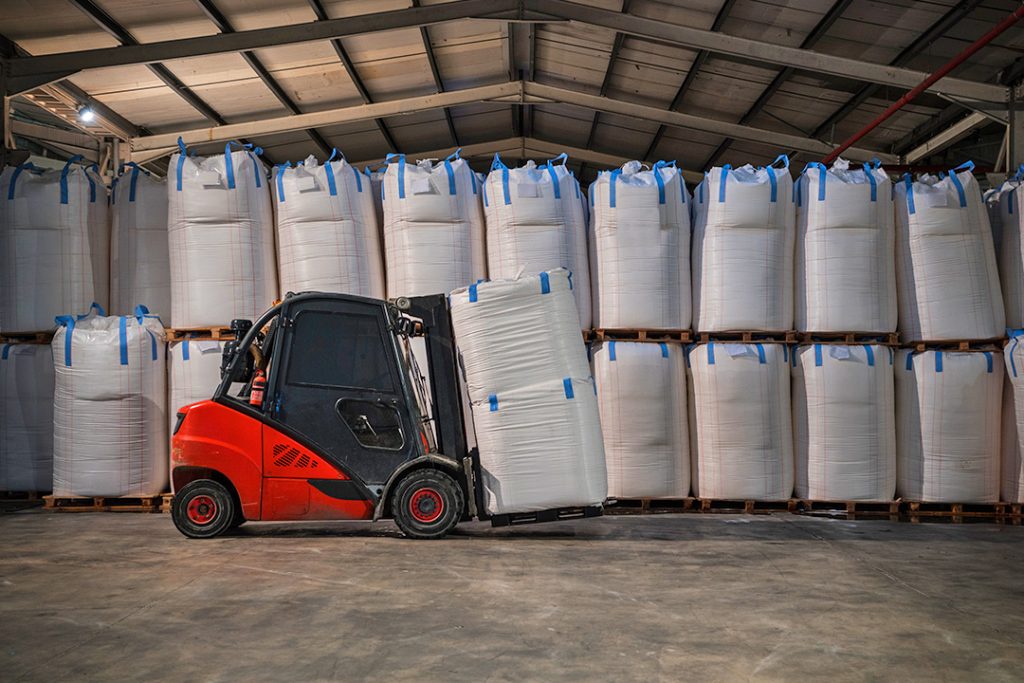
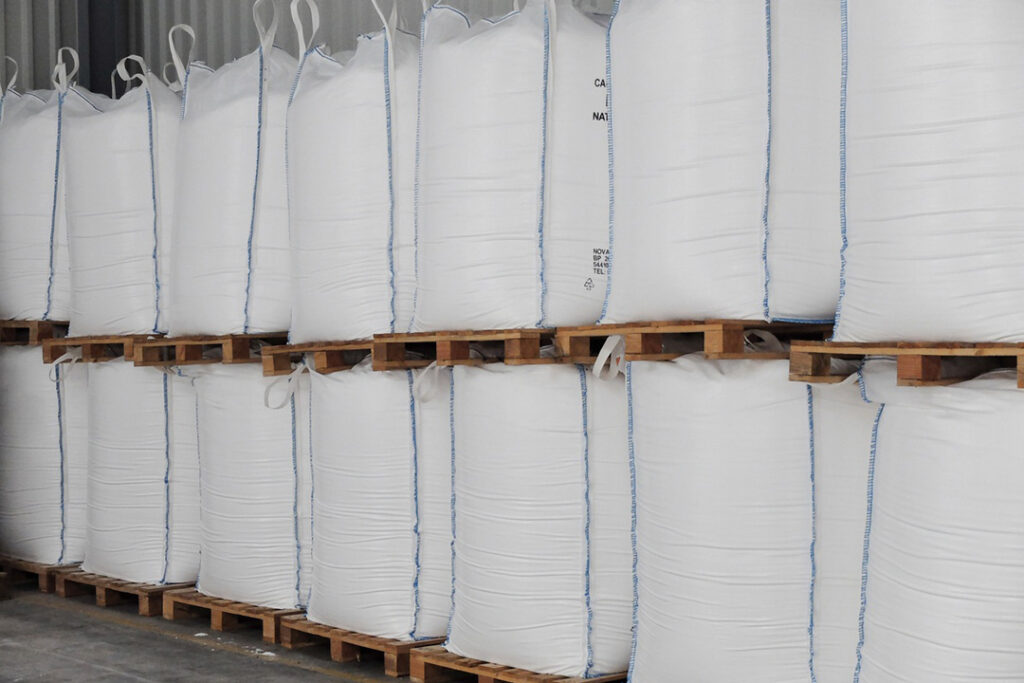
2. Use pallets and slip sheets – To maintain the quality of fertiliser and protect it from ground dampness, bulk bags should always be placed on wooden pallets or slip sheets to avoid direct contact with the floor.
Bulk bags should be stacked in an interlocking pyramid structure to the highest height advised by the supplier (often no more than two or three layers high), to guarantee stability and safety. Avoid stacking on inclines and never stack damaged bulk bags.
3. Regular staff training for safe handling – To avoid damaging the bags, staff members must undergo training on proper handling techniques. They must use lifting tools with rounded edges. No staff member should stand under a hanging bag, and lifts must be done smoothly without swinging.
Clear protocols must be established for the prompt cleanup of any spills, and non-flammable cleaning supplies should be used. To avoid contaminating the environment and creating safety risks, spilt fertiliser must be contained and disposed of in compliance with safety regulations.
Suggested optional extras for fertiliser bulk bags
As a leading manufacturer and supplier of bulk bags in South Africa, CBB recommends the following optional extras and design features for bulk bags intended to store fertiliser:
- Inner liners – Fertiliser has a high hygroscopicity. Inside the woven bag, a polyethylene (PE) inner lining can be fitted to serve as a second, moisture-resistant skin. This is necessary to ensure that the fertiliser stays free-flowing by protecting it from condensation and atmospheric humidity.
- UV-coatings – Fertiliser is often stored outside on farms or when being moved between shipping containers. The polypropylene fabric is susceptible to sun damage, so UV-stabilised chemicals must be sprayed onto the fabric during the manufacturing process. This UV-resistant coating prevents deterioration in the sun.
- Reinforced seams and lifting loops – Bulk bags must endure extreme mechanical stress due to the bulk fertiliser’s density and weight (up to two tonnes). The durability required for frequent, safe handling by heavy machinery is provided by specifying reinforced seams and extra-strength lifting loops.
- Anti-static (Type C or D) bags – Electrostatic discharge (sparks) must be avoided in areas where fine fertiliser dust or vapours may be present. To properly discharge static electricity and lower the risk of ignition, Type C or D FIBCs are made with conductive or anti-static materials. We recommend using these bags to prevent fires and explosions.
Your partner for fertiliser packaging
Choosing the right packaging is both a business necessity and a safety requirement. CBB is committed to satisfying the demanding requirements of fertiliser users. Farmers, transporters, and fertiliser manufacturers need packaging that is both robust and compliant.
We offer UN-certified designs for fertilisers that are hazardous or subject to regulations, such as some AN compounds. These designs have earned an internationally renowned stamp of safety and compliance after passing stringent international tests for tear resistance, stacking stability, and drop resistance.
Our full production facility enables complete customisation to match your exact product properties and handling equipment, whether you require a straightforward coated bag for farm storage or a sophisticated Type C anti-static bag with a PE liner and specialised filling spouts for chemical export.
CBB can guarantee that your fertiliser is packaged in accordance with the strictest safety, quality, and legal requirements. Please contact us today for more information about our FIBCs or to get a free consultation.
___
Custom Bulk Bags is a major South African manufacturer of woven polypropylene bags for various industries, including mining, chemicals and agriculture. We are a Level 2 B-BBEE supplier that falls under the ownership structure of Deneb Investments Limited. For more information on our products, contact sales@custombulkbags.co.za.
