
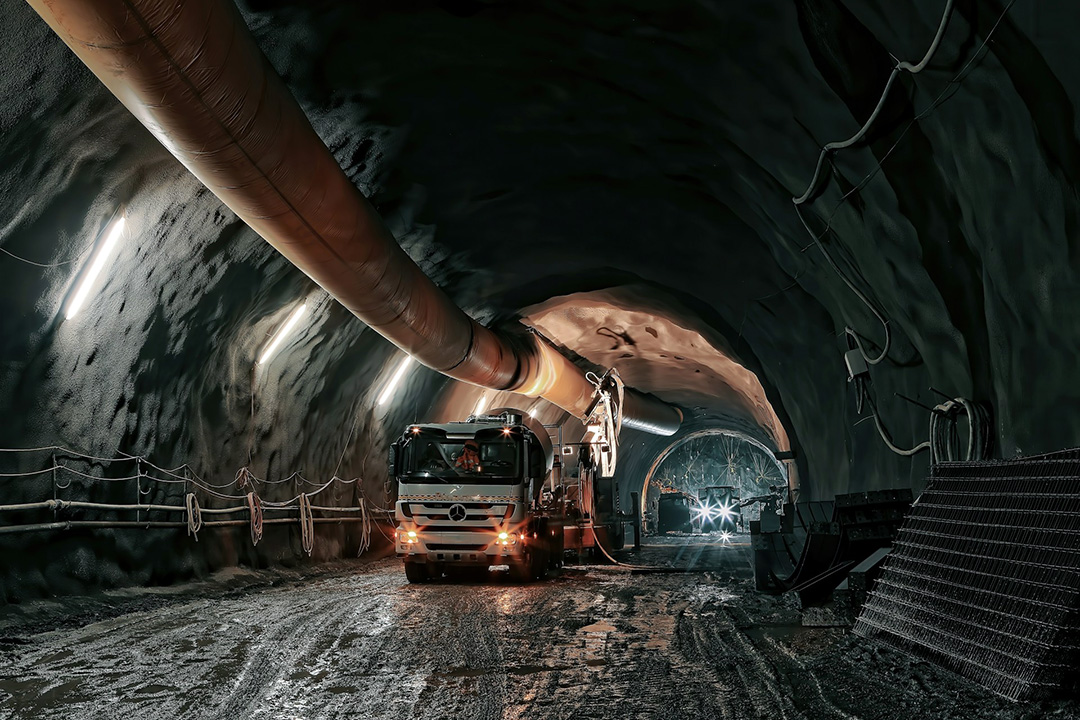
The mining industry in South Africa is a major contributor to the national economy. Statistics South Africa (Stats SA) data show that the mining sector expanded by 3.7% in the second quarter of 2025, making a substantial contribution to the GDP. Mining revenue surpassed R208 billion in the third quarter of last year.
The need for critical minerals, such as manganese, chrome, and platinum group metals (PGMs), is driving South African mines to concentrate more on processing efficiency and beneficiation. The most difficult materials to work with in this process are washings, which were once thought of as a logistical hassle or a byproduct, but are now acknowledged as a valuable resource that needs to be contained and processed further.
Custom Bulk Bags (CBB) is a leading local manufacturer and supplier of customised flexible intermediate bulk containers (FIBCs). We produce 3.5 million bulk bags annually. We extrude and weave our own premium polypropylene fabric and manufacture bulk bags in-house. This makes our bulk bags an affordable and versatile packaging solution for mines and mineral processing facilities.
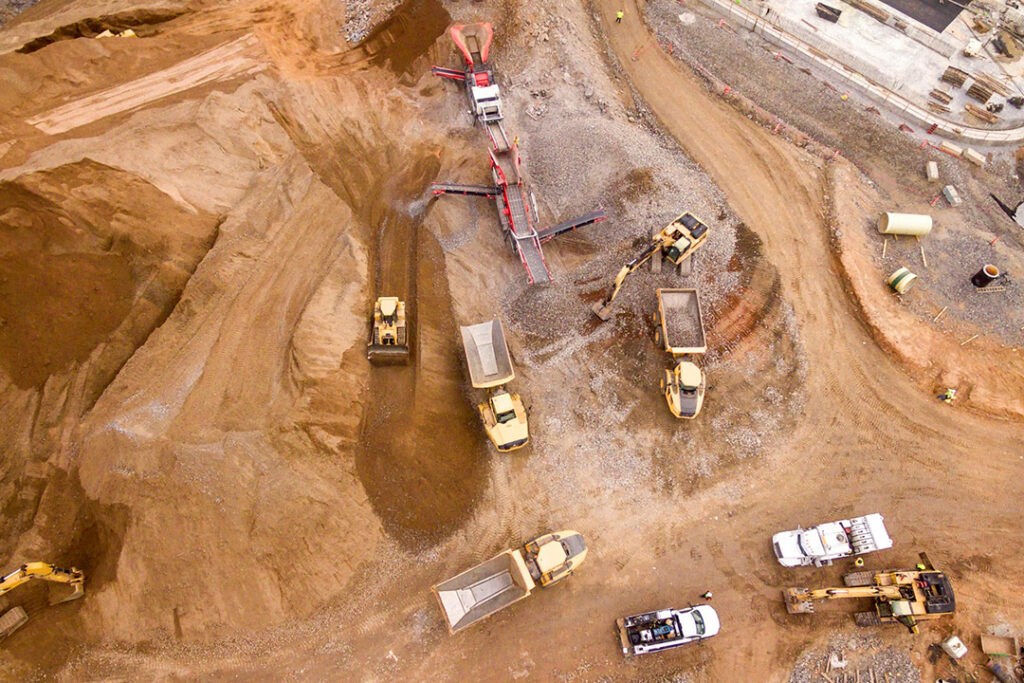
What are washings and why do they matter?
In mineral processing, washing is the process of cleaning raw ore with water and mechanical power. This cleans the surface of the ore by removing fine particles (gangue), grime, and loosely adherent clay. The end product, known as the washings, is a fine-grain residue or silty, sandy slurry.
In the past, tailings dams were used to store washings. However, it has become evident that these fine silts still contain substantial amounts of gold, platinum, or chromium. Washings pose a special set of logistical difficulties because they are so fine.
Firstly, washings have a high density and are extremely heavy when wet. The fine particles can also sift through common woven bulk bags, posing a leakage risk. Lastly, they have a high moisture content, which can affect the packaging.
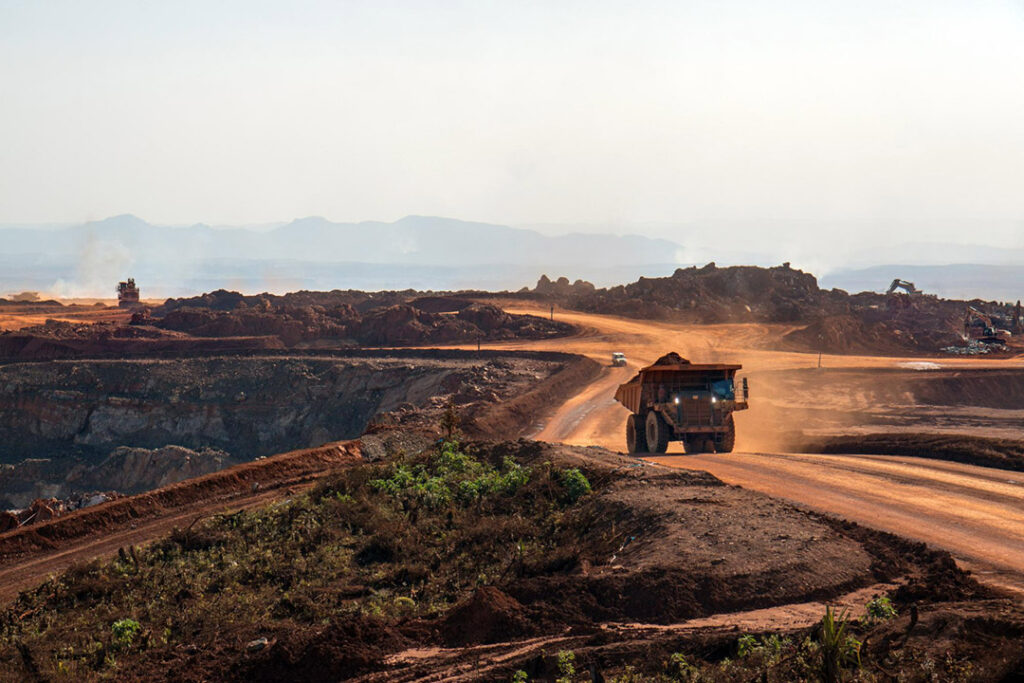
Why mining washings are best stored in FIBCs
Bulk bags provide a number of clear advantages over conventional rigid containers or open-truck transportation for mines trying to increase output while reducing their impact on the environment. These include the following:
1. Excellent fine material containment – A sealed FIBC with an inner liner guarantees that all of the material loaded at the mine remains in the bag until it reaches the processing facility, in contrast to open-top trucks that run the danger of “blow-off” dry fines or “slop-over” wet silt during travel. Maintaining the quality and purity of the minerals in the washings depends on this.
2. Stackability and efficiency – Mineral processing facilities often have limited space. Bulk bags are designed to stack neatly, making it easy to use vertical warehousing space. South Africa’s logistics expenses are quite high; mines can fit up to 25% more material into shipping containers or onto flatbed trucks by using baffled bags (Q-Bags), which keep their square shape.
3. Cost-effectiveness – Transporting minerals in FIBCs is substantially less expensive per tonne than utilising rigid bins or drums. Bulk bags save a lot of room on return trips since they can be folded flat and are lightweight, which lowers dead weight.
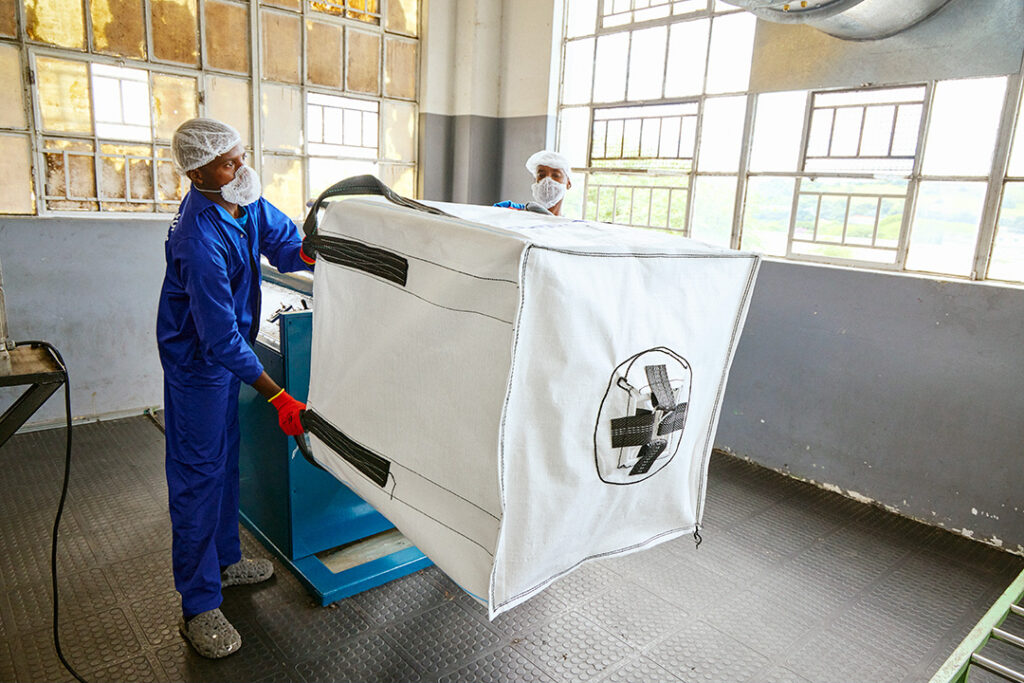
Optional extras for washings FIBCs
A typical bulk bag is unable to manage the unique physical characteristics of mining washings. They require a specialised solution made for fine-grain, high-density materials. Washings can seep through the tiny holes of a regular woven fabric or through the stitched seams. Bags made with sift-proof seams are vital for storing washings.
Similarly, impermeable inner liners help to contain silty materials and fine particles. When washings come out of the log washer or scrubber, they are damp. Polyethylene (PE) liners are necessary to protect the material from outside contamination and to stop liquids from leaking through the woven polypropylene. During long-distance transportation, these liners offer an airtight, moisture-proof barrier that maintains the stability of the washings.
Next, strengthened lifting loops are highly recommended. A one-cubic-metre bag full of moist washings can easily weigh 1500 to 2000kg due to the density of the silt. Reinforced loops or tunnel sleeves offer the greatest weight capacity and minimise the risk of tearing or separating from the fabric.
The CBB advantage
Working with CBB links you to a packaging supplier who is familiar with the mining environment in South Africa. Not only do we use high-quality raw materials for our bags, but we also make them to withstand the harsh conditions of deep-level mining logistics and the African sun.
We have complete control over the quality of each bag since we extrude our own polypropylene and weave our own fabric. We also offer shortened lead times as custom orders can be delivered in just a few weeks, thanks to our local production and delivery services.
On a mine, safety cannot be compromised. Our bags have a 5:1 or 6:1 safety factor rating and are put through a thorough testing process for Safe Working Loads (SWL). We offer UN-certified bags made to satisfy global safety regulations for mine washings that might include harmful chemical residues.
South African mines can guarantee that every gram of valuable mineral is caught, contained, and transported as efficiently as possible by using customised FIBCs from CBB. Please contact us today for more information and to get a free consultation.
___
Custom Bulk Bags is a major South African manufacturer of woven polypropylene bags for various industries, including mining, chemicals and agriculture. We are a Level 2 B-BBEE supplier that falls under the ownership structure of Deneb Investments Limited. For more information on our products, contact sales@custombulkbags.co.za.
