
While woven bulk bags are incredibly durable and strong, they do need to be looked after and maintained to maximise their lifespan. These bulk packaging products are made from woven tapes of polypropylene plastic, which gives them incredible strength and flexibility. But dirt, sun and moisture can affect the fabric over time.
Custom Bulk Bags (CBB) is a manufacturer and supplier of bulk bags in South Africa. We produce 3.5 million bags a year – all of which can safely hold between 500kg and 2000kg each. Our products can be tailored with various optional extras to suit your specific needs. Here are some expert tips on how to maintain your bulk bags.

Tips to maintain bulk bags
1. Cleaning – The first step is to clean your bags regularly. This removes sand, dust and dirt from the fabric, which helps to prevent scratches and damage to the fabric. Cleaning bulk bags is vital if you’re reusing them multiple times. Start by shaking the bags to remove visible dust and debris. Then, give them a once-over with a soft-bristle brush to dislodge stubborn particles.
For tougher stains, you can wipe the bags with a damp cloth soaked in mild detergent. Be sure to rinse the bulk bags thoroughly with water afterwards and leave them out in a ventilated area to dry properly before reusing them. Don’t store them in direct sunlight, as the UV rays can degrade the woven fabric.
Bulk bags can be machine-washed on a low spin cycle with cold water. Avoid using harsh cleaning chemicals and bleach, as these will damage the plastic fabric. Always inspect your bulk bags before reusing them to ensure there are no signs of weakness, tears or holes caused by the washing machine.
2. Handling – Improper handling can reduce the lifespan of a bulk bag. To minimise wear and tear, avoid overloading the bags; always stay within the safe working load (SWL) as excess weight can put strain on the lifting loops and seams.
Always protect your bulk bags from sharp objects when handling them. When using forklifts and unloading equipment, sharp edges and tines can easily puncture the fabric or rip the seams, so work carefully and slowly. Inner liners can add a layer of protection.

Be sure to use proper lifting techniques and distribute the weight evenly to prevent strain on specific areas of the bulk bag. Using proper handling techniques is one of the best ways to extend the lifespan of your products. Never drag bulk bags across warehouse floors, as this can erode the fabric and compromise its strength.
3. Storage – Storing bulk bags properly is just as important as the correct handling techniques. Always dry damp bags before folding them for storage to prevent mould, mildew and lingering smells. Keep unused bulk bags in a cool, dry and shaded space. Humidity and sunlight pose serious threats to the woven fabric.
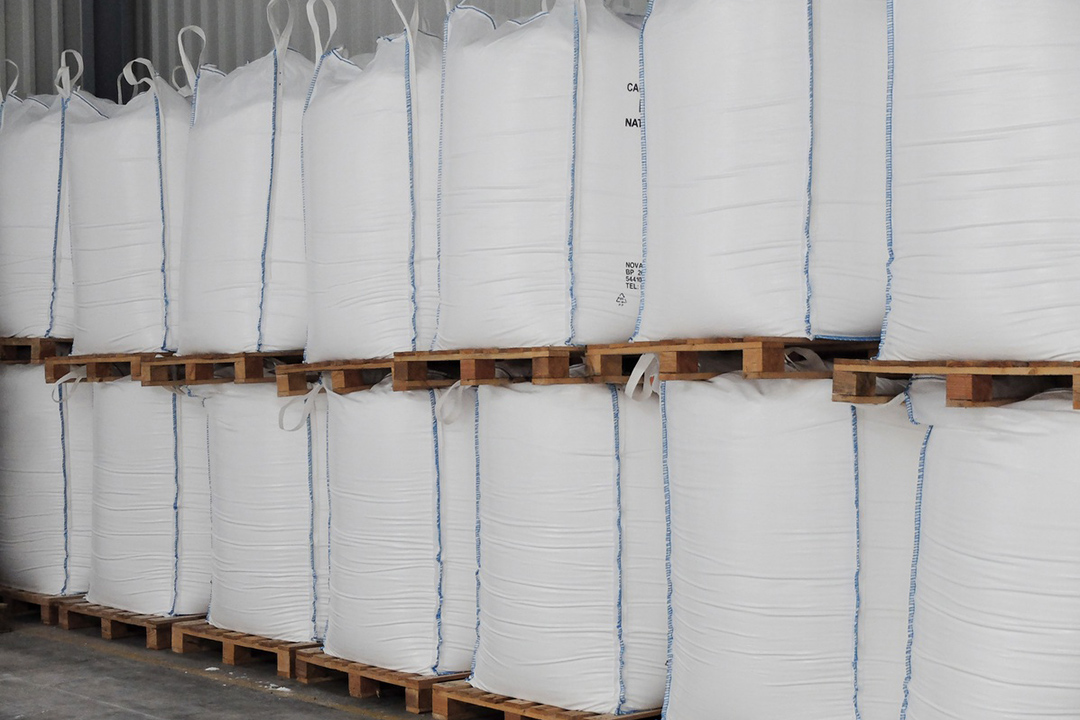
When storing filled bulk bags, always stack them neatly on top of wooden pallets. This prevents ground moisture from seeping up into the bottom of the bags. Proper stacking also ensures even compression and stability, which helps to maintain the shape.

Working with the right supplier
When choosing a manufacturer and supplier of bulk bags, look for a reputable local partner who can meet your needs. Do some online research and check their website for useful tips and information to help you maintain your bulk bags and get the most out of your investment.
By adopting the proper caring methods and techniques, you can safely reuse your bulk bags multiple times before recycling them. This contributes to a greener environment, more sustainable business practices and a safer workplace. Please contact us today for more information about our FIBCs or to get a free consultation.
___
Custom Bulk Bags is a major South African manufacturer of woven polypropylene bags for various industries, including mining, chemicals and agriculture. We are a Level 2 B-BBEE supplier that falls under the ownership structure of Deneb Investments Limited. For more information on our products, contact sales@custombulkbags.co.za.
