
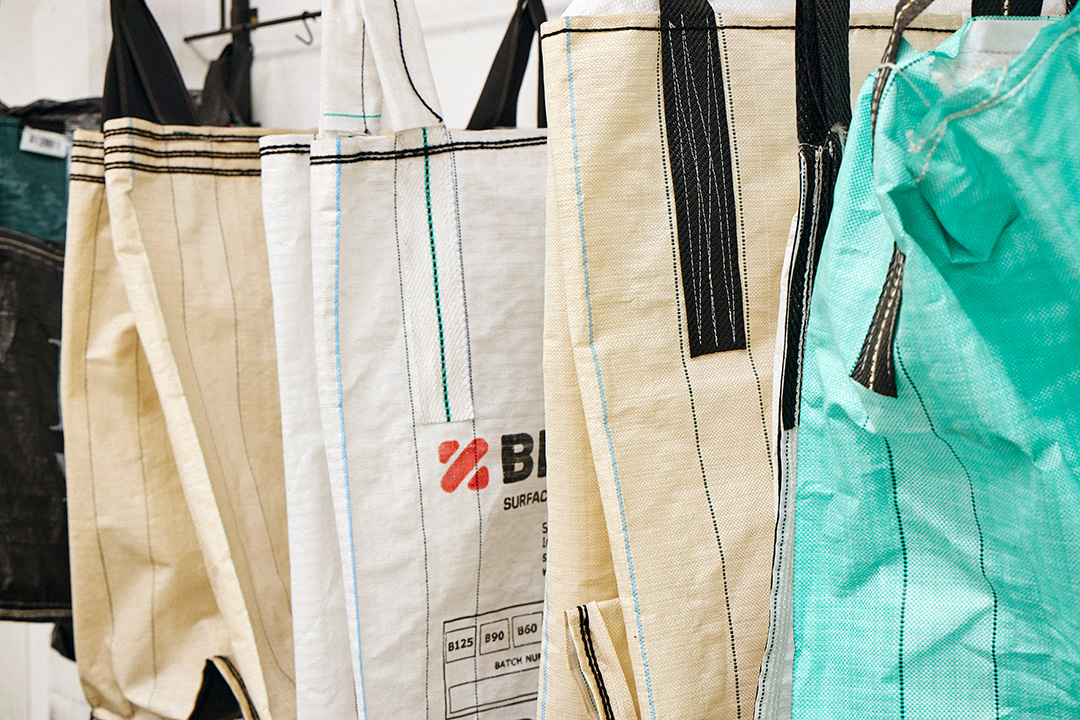
When a procurement manager or business owner goes to source bulk packaging, they often face an important technical choice: Do we buy standard bulk bags or certified food-grade bulk bags?
On first inspection, these may appear identical. Both are made of heavy-duty polypropylene and have high load capacities. But treating them as interchangeable commodities is a high-stakes gamble. This is not a cosmetic difference; it’s a difference defined by regulations, engineering and public safety.
Custom Bulk Bags (CBB) is a leading South African manufacturer committed to helping businesses make sense of their packaging options. We can produce up to 3.5 million bulk bags annually for food processing industries. Here’s a definitive look at what separates the two types of FIBC and how to find the perfect fit for your business.
Food-grade vs regular FIBCs: Environment and materials
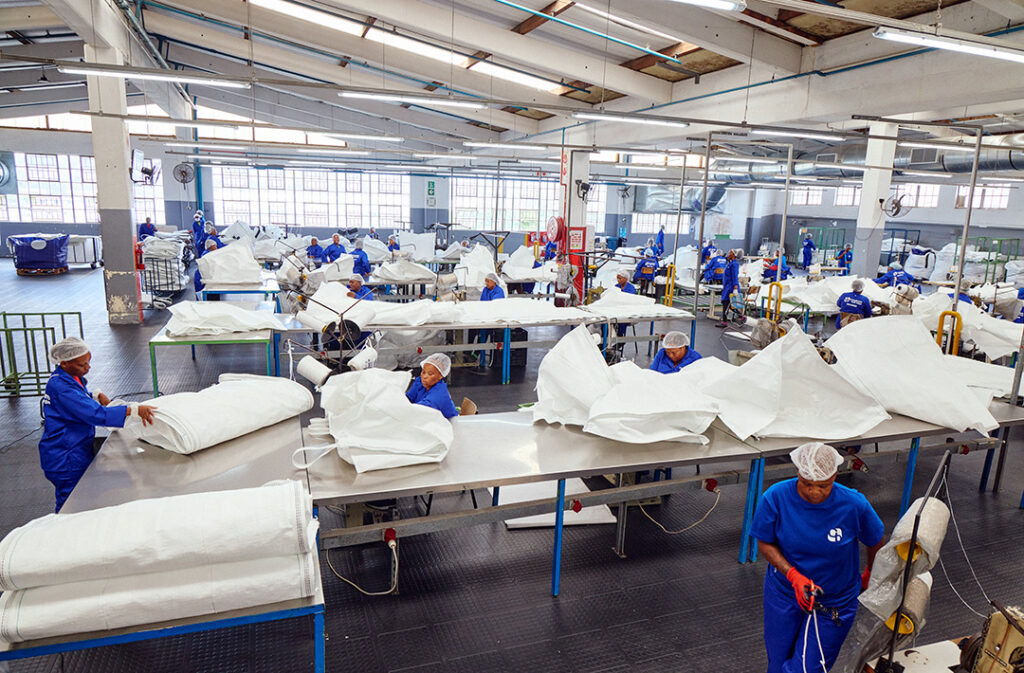
The main difference between a standard bulk bag and a food-grade bag is the avoidance of contamination. Regular bulk bags are manufactured following the standard industrial protocols. They are constructed for structural strength and physical durability. Though perfectly clean by industrial standards, a production line can leave tiny trace residues such as microscopic plastics, loose threads, dust particles or lubricants from machinery.
This won’t affect the storage of minerals, sand, gravel, and other non-edible products. Food-grade bulk bags, on the other hand, are highly specialised and regulated containers. All components should be totally sterile and inert. No loose fibres, foreign particles, or chemical leaching that can alter the taste, safety or purity of human or animal consumables is acceptable.
The science of food-grade manufacturing
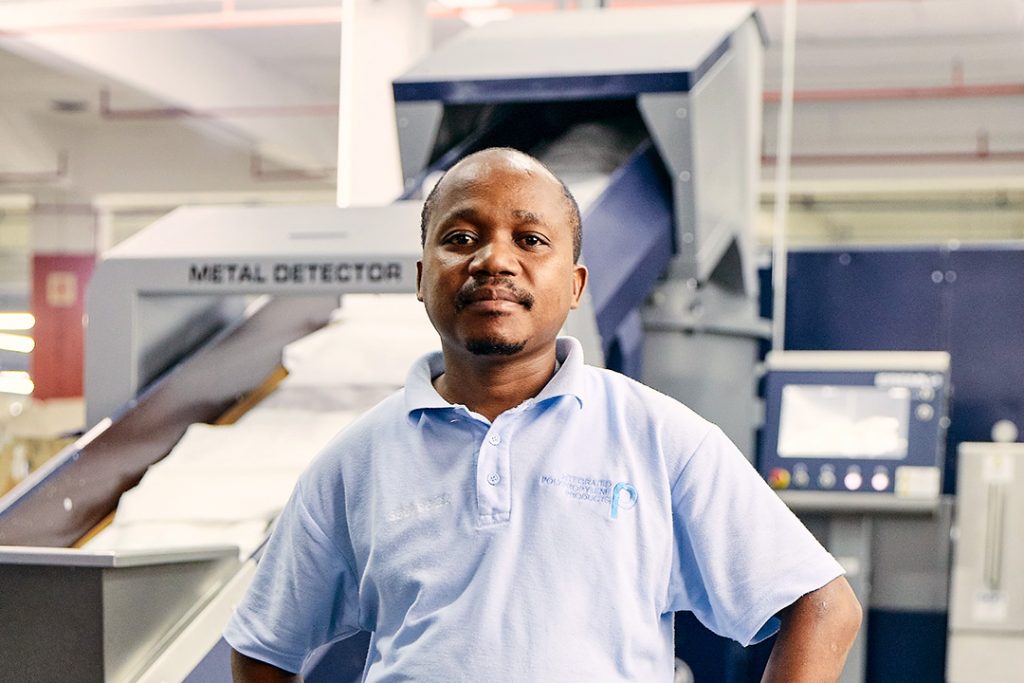
To bridge this gap, a manufacturing facility must undergo a rigorous structural and operational evolution. CBB recently upgraded our local production facilities in Durban to create dedicated cleanrooms that are certified to manufacture top-quality food-grade FIBCs.
True food-grade manufacturing is based on uncompromising steps, checks and procedures:
1. 100% virgin PP resin – Most standard bulk bags will have a controlled amount of recycled PP polymers mixed in to keep manufacturing costs down. Food-grade bags cannot use recycled polypropylene; they can only be manufactured from 100% virgin polypropylene resin. This prevents chemical migration or toxic leaching into the contents of the bags.
2. High-tech cleanrooms and isolation – We have improved our facilities with dedicated cleanrooms, which are operated under a stringent HACCP (Hazard Analysis Critical Control Point) system. The packaging is separated from the outside world by a cleanroom containing a positive air pressure system. Essentially, this is a continuous HEPA-filtered ventilation system that forces clean air out, preventing airborne dust or insects from entering the facility.
3. Light-table inspection and micro-cleaning – All bags are air-washed before packing, visually inspected with high-intensity light tables, and passed through precision metal detectors to remove all microscopic needle fragments from the stitching.
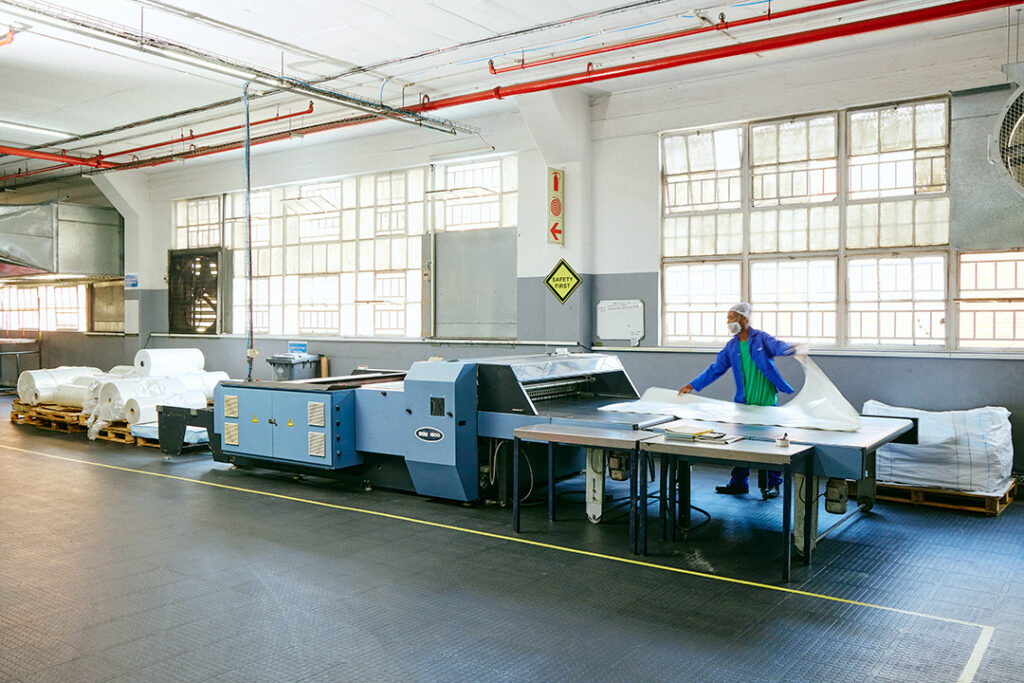
Decision matrix for choosing bulk bags
Picking the wrong spec can have two dire outcomes: overpaying for unnecessary cleanroom specs or having catastrophic product recalls and regulatory shutdowns by using an industrial bag for a food product. Here are a few parameters to consider in finding your ideal match:
- Material to be packaged – Is it for human or animal consumption?
- If no, then regular bulk bags will be ideal.
- If yes, go to Step 2.
- Is it an unprocessed, peeled, or washed raw commodity?
- If no, then food-grade bulk bags are needed. These commodities can include sugar, salt, nuts, milk powder and flour.
- If yes, then regular ventilated bulk bags are your best option. These commodities include grains, potatoes, vegetables, firewood and biomass.
When to use regular bulk bags:
- Non-consumable goods – Ores, mineral concentrates, sand, gravel, plastic resins or building debris.
- Agricultural inputs – Fertilisers, potting soils, or compost.
- Processed raw commodities – Crops that are heavily washed, sorted and outer-shell peeled before being processed (raw, dirt-covered potatoes or firewood, for example).
When food-grade is non-negotiable:
- Direct ingredient storage – Finely milled wheat flour, refined sugar, powdered dairy, starches, salt and spices.
- Pharmaceuticals and chemicals – Any medical compound or advanced chemical ingredient that must be completely pure.
- Shelled or post-processed edibles – Raw macadamias or nuts, shelled pistachios, dried fruit.
Optional extras for customised food-grade FIBCs
When you source from a local manufacturer like CBB, your food-grade bags can be custom-engineered to fit your processing infrastructure. There are certain optional extras that can unlock massive efficiency gains:
- Integrated liners – For highly hygroscopic ingredients such as sugar or milk powder, we can pre-install and pre-blow form-fit or tabbed food-grade PE liners. This forms a sealed, moisture-proof shield that will prevent clumping and keep food fresh for storage or shipping through humid ports, such as Durban and Port Elizabeth.
- Triple sift-proof seams – Standard needle holes are highly susceptible to leaking fine food powders, such as flour or starches. To completely seal these gaps and stop dust emissions while maintaining product volume, we use specialised felt or filler cords along the seams.
- Baffled construction – When filled, standard bags inevitably swell into a circle. The bag’s exact square shape is preserved by the addition of interior fabric baffles. In addition to preventing toppling, this design element can boost shipping container and warehouse storage area efficiency by up to 25%.
- Custom spout designs – By precisely measuring your top filling and bottom discharge spouts, the bag can dock perfectly with your automated silos and augers, minimising product loss and dust production on the plant floor.

Work with packaging experts in South Africa
The distinction between a food-grade bag and a standard bulk bag can mean the difference between protecting the health of your customers and leaving your supply chain open to infection.
CBB combines local manufacturing speed and affordability with worldwide food safety compliance thanks to our recently renovated facilities. To keep your company in stock and totally safe, we weave our own textiles, extrude our own tapes, and custom-build every design.
To discuss your technical requirements and create a unique bulk bag prototype for your company, please contact us today to chat with our knowledgeable sales team. We offer free advice and guidance to ensure you get exactly what you need.
___
Custom Bulk Bags is a major South African manufacturer of woven polypropylene bags for various industries, including mining, chemicals and agriculture. We are a Level 2 B-BBEE supplier that falls under the ownership structure of Deneb Investments Limited. For more information on our products, contact sales@custombulkbags.co.za.
