
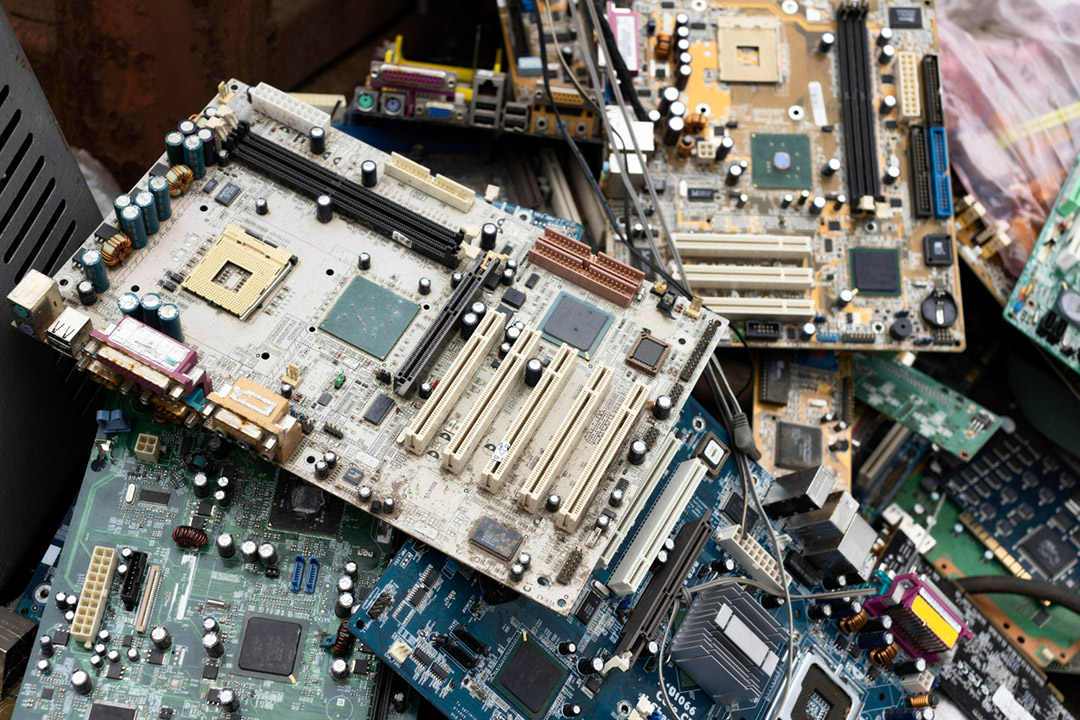
One of the most urgent logistical and environmental problems affecting South Africa’s transition to a circular economy is the problem of electronic waste, or e-waste. Any discarded electrical or electronic device is considered e-waste, and its volume is increasing as a result of shorter product lifecycles and faster technological advancements.
The issue is severe in South Africa, where an estimated 360 000 tonnes of e-waste are produced annually, expanding three times faster than municipal solid garbage. Only a small portion, roughly 7% to 12% of the overall volume, is now being formally and properly recycled, despite progressive laws like the 2021 landfill ban on electronic waste.
This enormous disparity not only poses an environmental problem since e-waste contains dangerous elements like lead and mercury, but it also results in the loss of important key raw materials like copper, silver, and gold. The industry needs clever, effective, and compliant packaging solutions to close this gap and increase recycling rates, and flexible intermediate bulk containers (FIBCs), or bulk bags, are ideal for this job.
Custom Bulk Bags (CBB) is a reputable manufacturer and supplier of FIBCs in South Africa. We produce 3.5 million bulk bags a year – all of which can safely hold between 500kg and 2000kg each. Our products are used by recycling facilities and electronic waste processors due to their large storage capacities and cost-effective designs.
Using bulk bags for electronic waste
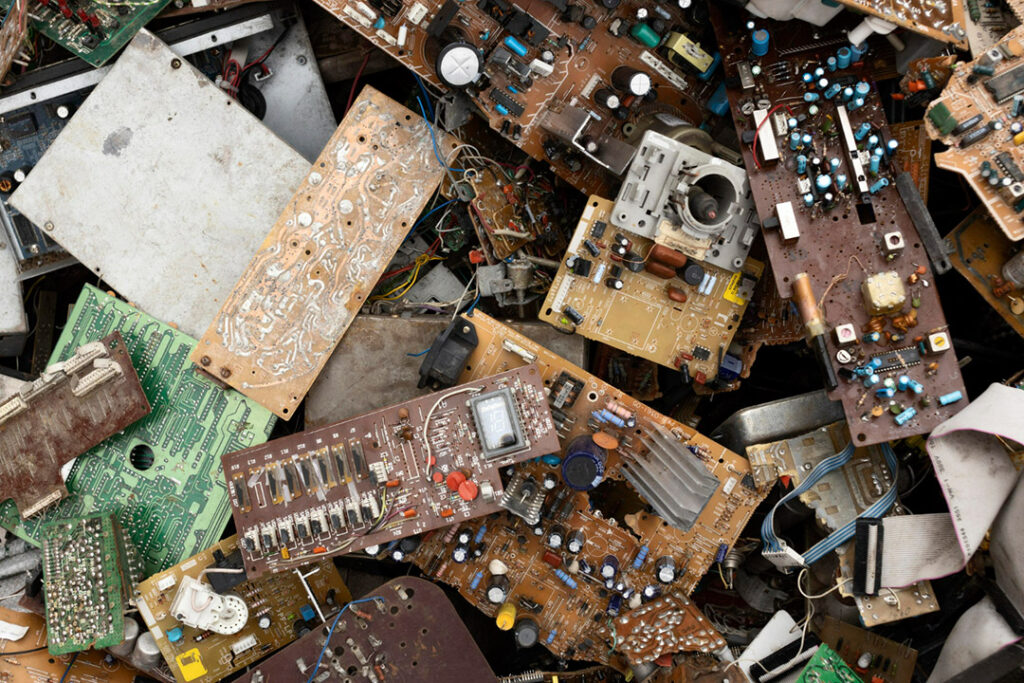
Various materials, including plastics, circuit boards, wires, metals, and glass, make up the diverse stream of electronic waste. After devices have been disassembled or shredded, these components must be isolated and managed for a recycling facility to process this stream effectively. At this point, high-capacity packaging is a necessity.
For the storage and transportation of the separated fractions of electronic waste, FIBCs are the perfect solution. The materials produced by the manual or mechanical breakdown of electronic devices, such as separated printed circuit boards, copper wires, and shredded plastics, must be stored and combined before being sent to specialised refineries or smelters.
The capacity of a bulk bag, which can usually store up to two tonnes, enables processing facilities to combine enormous amounts of a single, sorted material. In urban recycling hubs with limited space, this efficiency decreases the floor area that would otherwise be occupied by hundreds of smaller drums or bins.
Helping with efficient sorting of waste streams
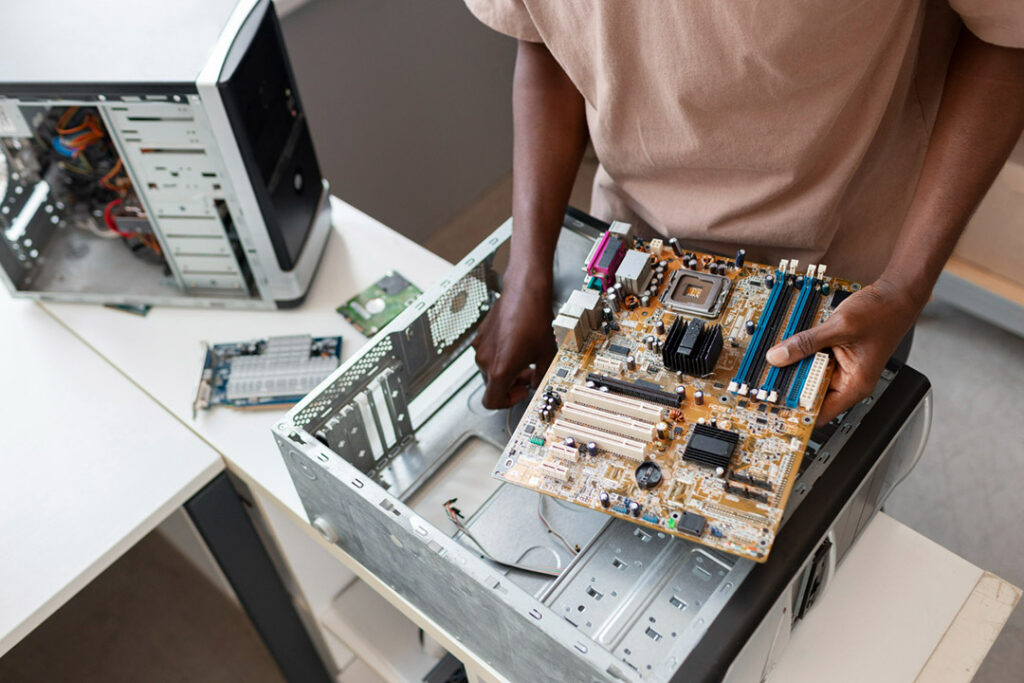
Contamination is one of the biggest obstacles to recycling e-waste; for instance, a batch of shredded plastics tainted with metals will lower the value of both streams. Sorting is made easier and cleaner with the use of bulk bags. FIBCs can be marked ‘High-Value Copper,’ ‘Shredded ABS Plastic,’ or ‘Mixed Circuitry’ to ensure that each fraction is kept pure. They are simple to fill straight from sorting conveyor belts or disassembly stations because of the structure of the bag, which allows them to stand upright and have an open top.
To keep the processing environment clean and preserve the integrity of the fine-grain waste streams, FIBCs can be fitted with inner liners that stop fine materials from sifting out of the bags or dust from getting into the valuable materials within the bags. Increasing the economic viability of the entire e-waste value chain depends on the ability to safely isolate and store particular waste constituents.
Safety and logistical aspects of handling e-waste
Even though FIBCs have many operational advantages, using them in a recycling setting – particularly one that handles hazardous materials – requires rigorous adherence to safety and logistical regulations.
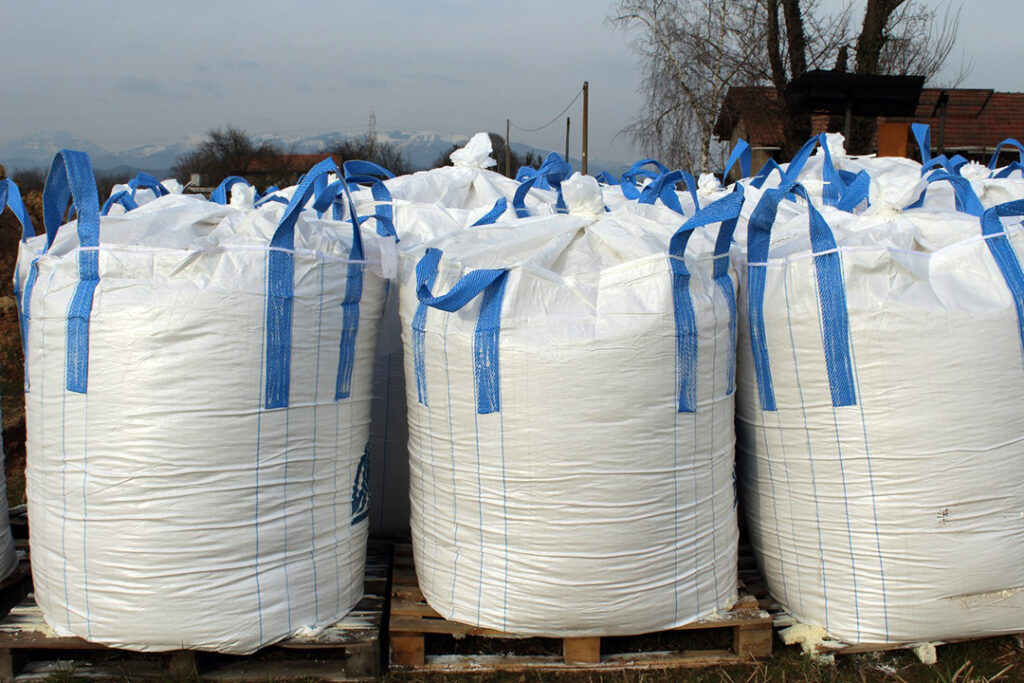
- Using forklifts for safe transportation and movement – Lifting loops are a bulk bag’s distinguishing characteristic and are essential to their effectiveness in handling large volumes of materials. A bag can weigh up to two tonnes once it is filled with dense, hefty e-waste. This is why secure lifting loops (usually four-loop or tunnel-loop designs) and the FIBC size must be carefully chosen.
To properly lift and carry the full bags, recycling and processing facilities use hoists, cranes, and forklifts. By doing away with physical lifting, this mechanical handling greatly reduces the possibility of musculoskeletal problems among employees.
Furthermore, by avoiding bulging or tilting when filled, specialised baffled bags (Q-Bags) guarantee that the bag keeps its square shape, increasing stability and storage density in the warehouse and inside a shipping container for subsequent delivery to end processors.
- Safety measures for e-waste packaging – Take into account the fact that e-waste is dangerous by nature. When processing shredded electronic components, the main safety concern is the possibility of fire and explosion from flammable dust or the presence of charged parts, like lithium batteries. Certain metal dusts and other fine-powder waste streams require Type C (conductive) or Type D (static dissipative) FIBCs.
While Type D bags are composed of a static-dissipative fabric that inhibits sparking without the need for grounding, Type C bags use conductive threads that must be grounded to avoid the accumulation of static energy. Recycling operators can guarantee adherence to strict safety regulations (such as those pertaining to ATEX zones) and safeguard assets and personnel from potential electrical hazards by putting the proper anti-static FIBC into place.
Collaborating with Custom Bulk Bags
For South Africa to recycle electronic waste more effectively, safely, and compliantly, FIBCs are a vital solution. They fill the gap between the need for pure, separated commodities that modern refineries require and high-volume, complex waste streams.
As a top-tier, ISO 9001-certified producer of premium FIBCs in South Africa, CBB has supplied bulk bags to processors in the e-waste and recycling industries. We provide a wide range of adaptable solutions to improve your recycling and electronic waste management procedures. Please contact us today for more information about our FIBCs or to get a free consultation.
___
Custom Bulk Bags is a major South African manufacturer of woven polypropylene bags for various industries, including mining, chemicals and agriculture. We are a Level 2 B-BBEE supplier that falls under the ownership structure of Deneb Investments Limited. For more information on our products, contact sales@custombulkbags.co.za.
