
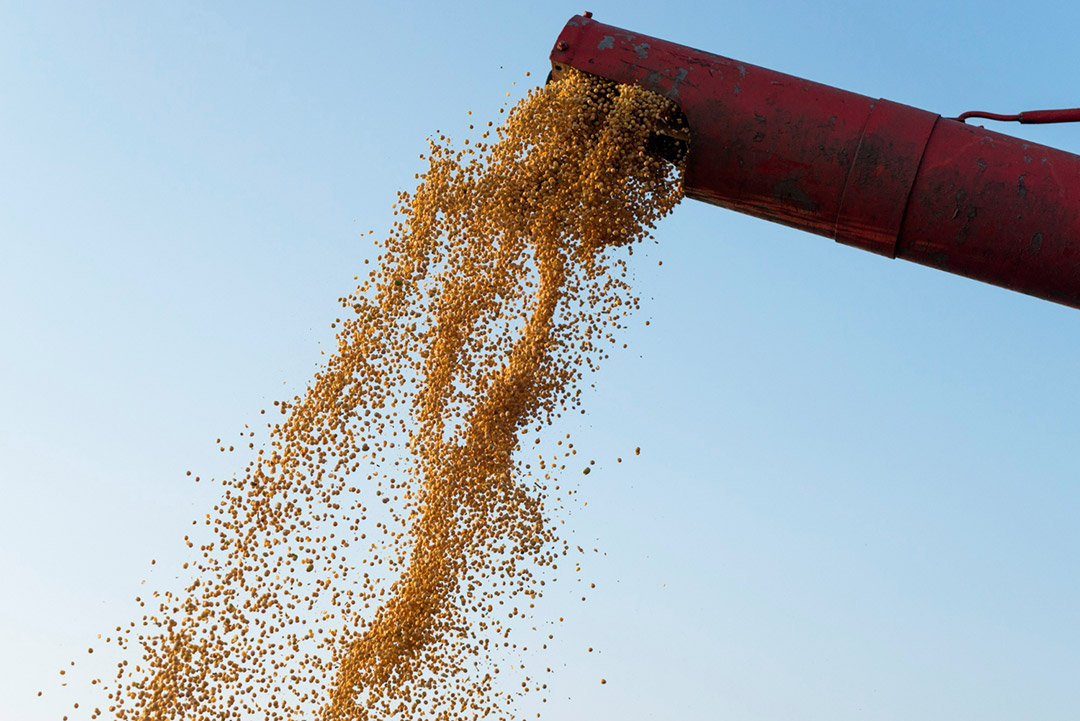
Any grain business depends on how well it is packaged, from the farm silo to the export terminal. Maize, wheat, barley, and sunflower seeds are examples of high-value goods that can be spoiled if the wrong packaging is used. Contamination, moisture ingress, pests, and mould can all pose serious risks to your grain if you use the incorrect packaging.
Even a minor setback can result in significant financial loss when handling tonnes of produce. Luckily, there are certain signs to look out for that can tell you whether your packaging is incorrect or flawed. Bulk bags, also known as flexible intermediate bulk containers (FIBCs), are a reliable and adaptable solution for grain packaging.
Custom Bulk Bags (CBB) is a manufacturer and supplier of FIBCs in South Africa. We produce 3.5 million bags a year – all of which can safely hold between 500kg and 2000kg each. Our packaging products are sought after by farmers and grain traders who export South African produce worldwide.

Sign 1: Seam failures, tears, or punctures in your grain packaging
If you often notice tears, punctures or burst seams on your grain packaging, then this is the first and most important sign that you are using the wrong type of packaging. These can be a sign of low-quality, low-GSM materials that just cannot resist the rigours of bulk handling. Damage is an obvious sign that the Safe Working Load (SWL) of the packaging is being jeopardised.
The issue is that tears and punctures expose the grain to outside contaminants and result in product loss, which is expensive to clean up and will lower the final output. This risk is particularly severe when using forklifts or when using rough handling, filling, or stacking techniques.
FIBCs made of high-tensile woven polypropylene offer exceptional strength and durability. Custom Bulk Bags are made with safety factors (5:1 or 6:1) to manage the heavy weight of bulk grains, protecting against tearing and ripping for the course of the product’s journey to its final destination.

Sign 2: Mould or moisture ingress
Another concerning indication of packaging inadequacy is the presence of visible mould, musty smells, clumping, or hot spots in your stored grain. This suggests a significant infiltration of moisture, which promotes microbial activity.
The issue is that grains need to be kept at the ideal moisture level. The grain deteriorates rapidly if moisture from the outside (rain or groundwater) penetrates the bag (or if condensation accumulates inside). This can cause significant financial setbacks and a spoiled grain.
For long-term grain storage, CBB provides moisture barriers and various inner liners inside our FIBCs. These can be plastic or foil-based and offer proper protection for long-term storage in humid conditions. By separating the grain from moisture and humidity, these liners provide an airtight or moisture-proof barrier that stops the growth of mould.

Sign 3: UV damage or colour fading
Look for indications of UV deterioration if your grain packaging is kept outside or transported in direct sunlight. The material may look discoloured, brittle, or flaky, especially on the side that faces the sun.
The issue is that the molecular structure of normal polypropylene fabric is disrupted by ultraviolet (UV) radiation. This process causes the packaging to become brittle, which reduces its ability to support heavy loads and increases its vulnerability to rips and tears when handled.
UV-stabilised additives are needed to protect bulk bags from UV damage. Special chemicals can be sprayed onto the PP fabric to protect the bulk bags from the sun’s rays. This protective layer improves the bags’ structural integrity and safety for both outdoor storage and long-distance transportation throughout sunny South Africa.
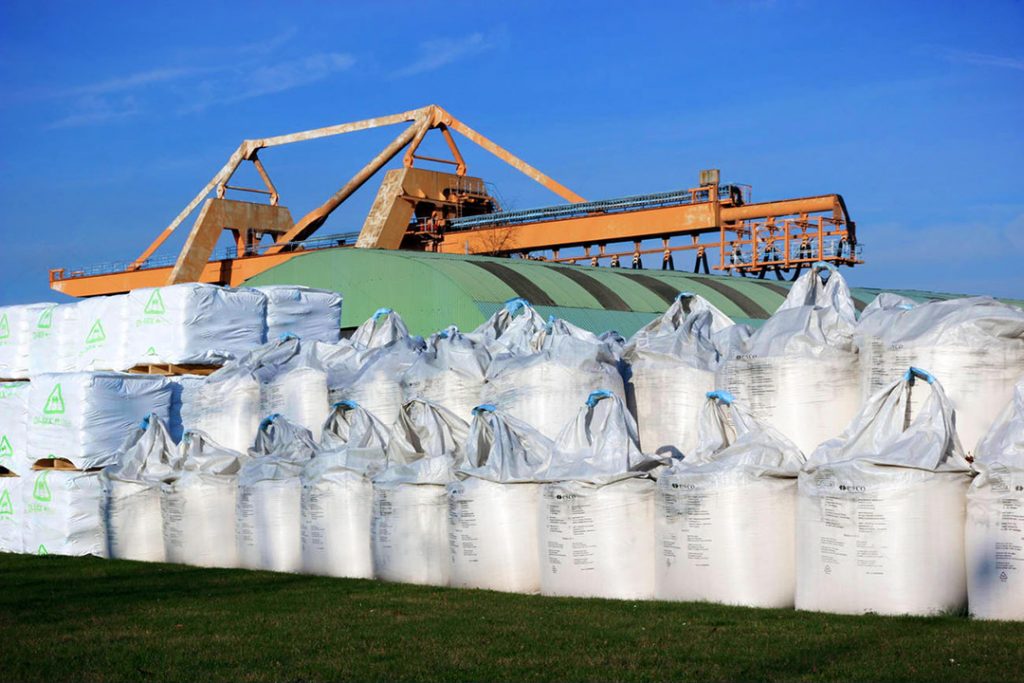
Sign 4: Incompatibility with filling and discharge equipment
When the top or bottom design of your packaging doesn’t fit your handling equipment, it’s a solid sign that you need to switch to bulk bags. You can lose money due to delays, spills, and unnecessary labour if your staff is having trouble filling or emptying grain packaging efficiently.
The issue is that unloaders (dischargers) and automated filling stations might not line up with certain grain packaging. This incompatibility results in bottlenecks, product spills that attract pests, and the need for labour-intensive, human error-prone manual intervention.
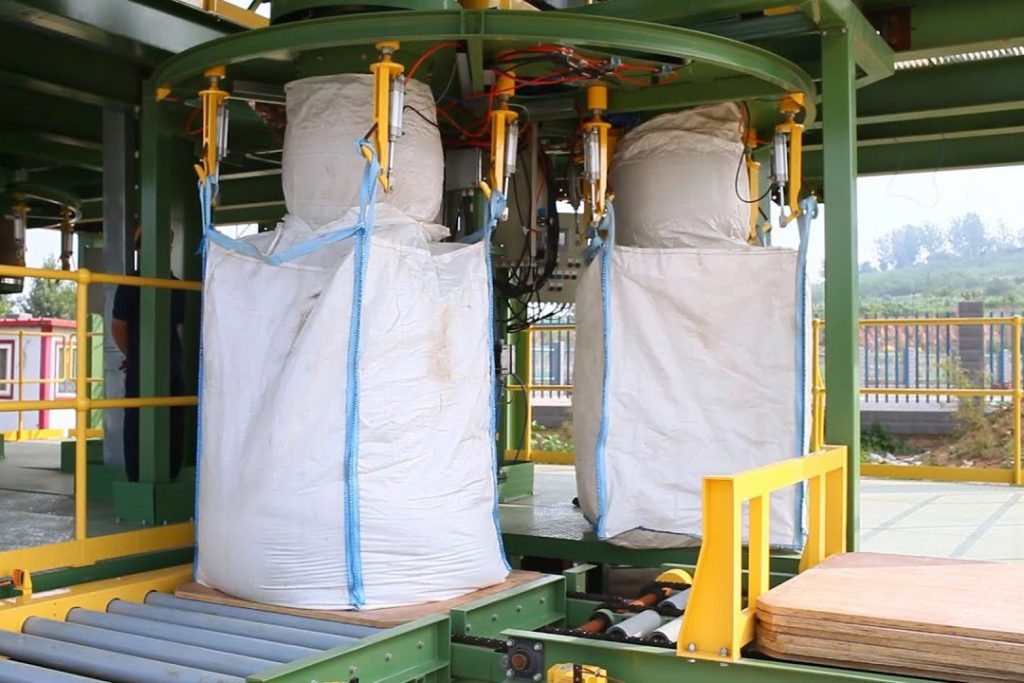
Bulk bags provide the greatest level of customisation to address this problem. Depending on the size of your particular filler nozzle, bags can be constructed with a spout top for clean, controlled filling or a duffle top for wider access.
The same is true for discharging grain bags. To ensure controlled and dust-free unloading, bags can include a lockable discharge spout that works flawlessly with your bulk bag dischargers or receiving hoppers, cutting down on waste and delays.
Working with the right grain packaging partner
Your grain packaging needs to provide a balance of strength, protection, and compatibility to effectively protect your produce. Avoid using generic bulk bags that are not UV-protected, customised or supplied with inner liners.
Look for a reputable manufacturer that offers certified bulk bags produced with quality control and a high SWL at the forefront. Custom interior liners for moisture management and UV stabilisation are examples of ideal grain storage solutions. Your supplier must also be able to provide tailored top and spout designs for smooth interaction with your current filling and discharge apparatus.
For agricultural FIBCs, CBB is the reliable, local producer of high-quality bulk bags. Working with us gives you access to a full-service production facility and professional advice on creating a bulk bag that protects your grain from all hazards, from the field to final delivery. Please contact us today for more information about our FIBCs or to get a free consultation.
___
Custom Bulk Bags is a major South African manufacturer of woven polypropylene bags for various industries, including mining, chemicals and agriculture. We are a Level 2 B-BBEE supplier that falls under the ownership structure of Deneb Investments Limited. For more information on our products, contact sales@custombulkbags.co.za.
