
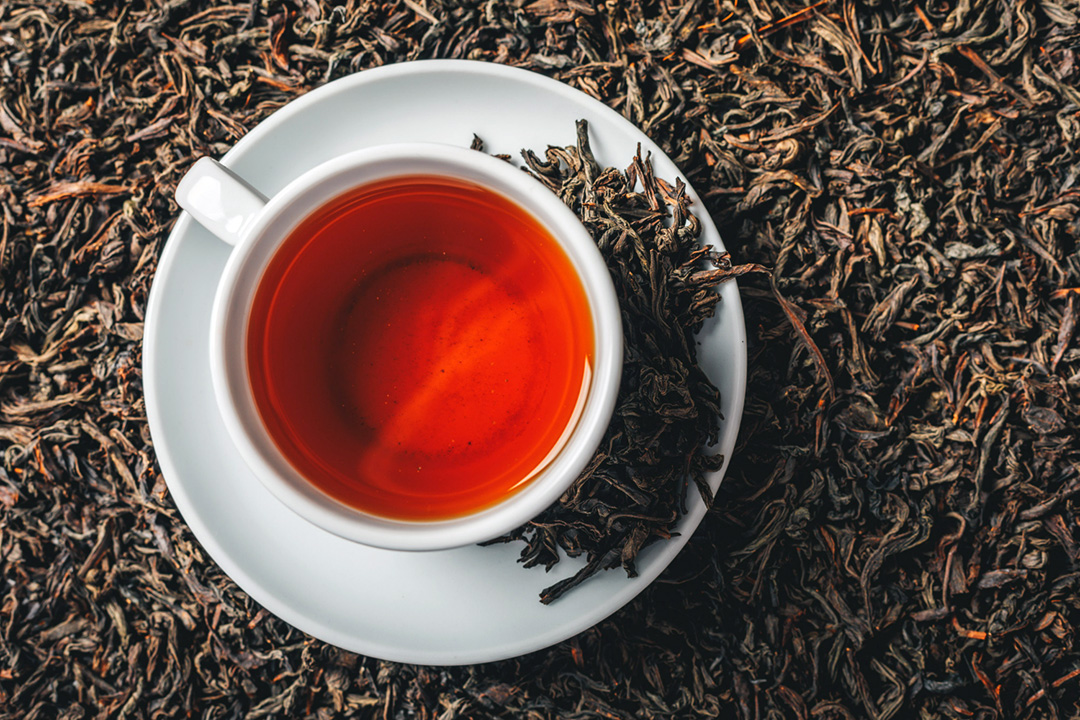
Ceylon, Rooibos, honeybush and green tea are some of the many varieties of this ancient beverage that are grown in South Africa. Our tea industry is showing remarkable growth, generating an expected R7 billion by 2030, with a compound annual growth rate (CAGR) of 7.8%, according to industry data from late 2025.
South Africa’s crown jewel is the Rooibos sector, which has produced about 22 600 tonnes in recent cycles and sustains over 8000 livelihoods in rural areas. It is largely responsible for this year-on-year growth. Beyond Rooibos, a significant portion of Africa’s tea trade comes from the black tea farms in areas like KwaZulu-Natal and Limpopo.
Custom Bulk Bags (CBB) is a leading local manufacturer and supplier of customised flexible intermediate bulk containers (FIBCs). These packaging products are designed to satisfy the various requirements of South African agriculture by safely holding up to two cubic metres of material per bag. This makes them an affordable and versatile packaging solution for the tea sector.
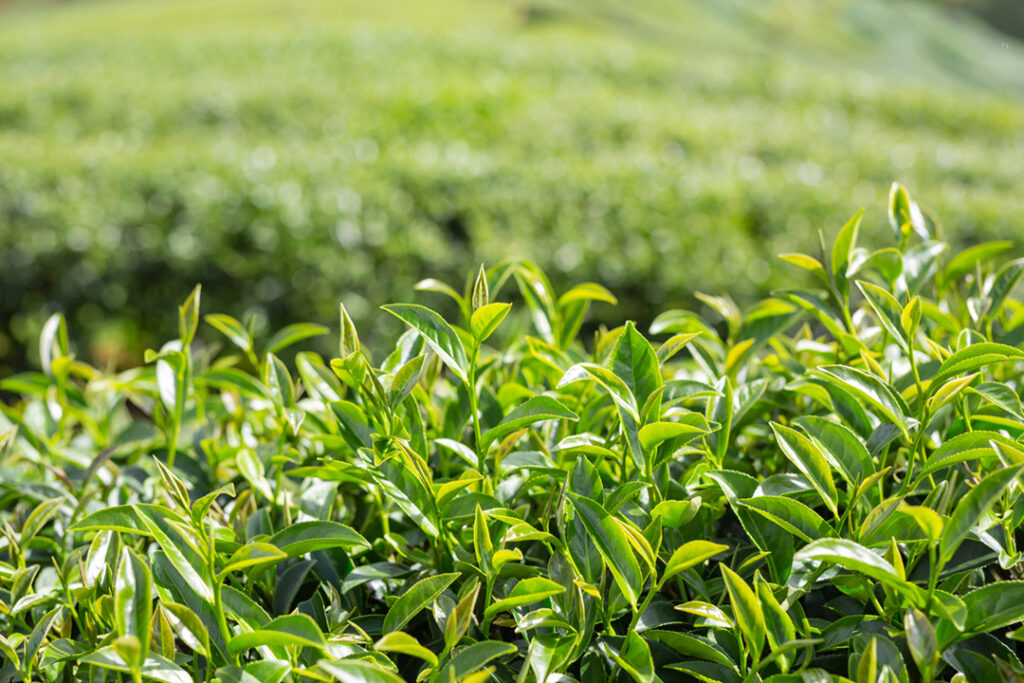
Using bulk bags from tea bush to factory
From the moment a leaf is harvested to the finished bulk shipment of processed tea, bulk bags play an important role in preserving quality and improving the efficiency of the cycle. In the field, where timing and aeration are important factors, FIBCs provide the ideal storage solution.
After being harvested, the green leaves are extremely vulnerable to “heating” – a process in which interior moisture and a lack of airflow cause anaerobic fermentation, which destroys the tea’s flavour and quality.
In traditional harvesting procedures, the delicate leaves were sometimes crushed by the labour-intensive, small, hand-carried sacks used. Tea estates can move higher volumes with much more efficiency by switching to ventilated FIBCs.
These bags are made with mesh panels or breathable strips that provide continuous airflow. This keeps the leaves fresh while they are being transported from the plantation to the processing plant by dissipating heat.
Numerous little sacks can be replaced by a single 500kg or one-ton bulk bag. This cuts down on the amount of time leaves spend in the sun by enabling mechanical handling using forklifts or loaders placed on tractors.
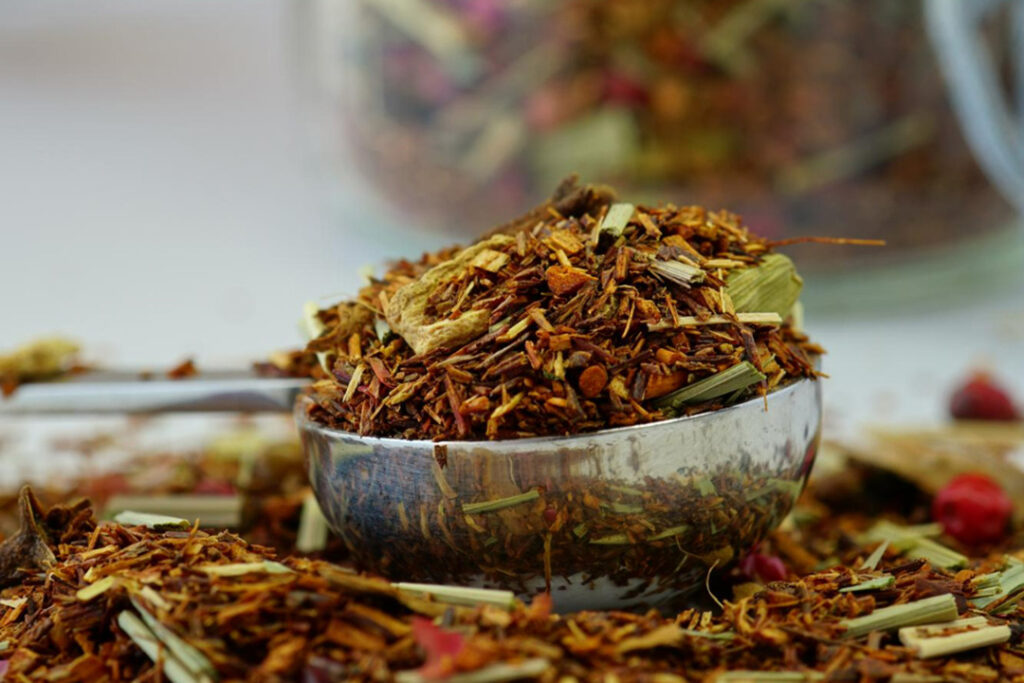
Distribution and processing: From factory to packaging facility
After the tea is dried, fermented, rolled, and withered, the logistical problem changes from “freshness” to “protection.” Whether black tea or rooibos, bulk dried tea is a hygroscopic substance, which means it readily collects moisture and ambient odours.
Food-grade approved packaging is required for transferring processed tea from the factory to a secondary packaging facility (where it is placed into retail tea bags or tins). To avoid any contamination, CBB produces its bulk bags in extremely hygienic settings.
Fine “fannings” or dust are often present in processed tea. These tiny particles could seep out of standard packaging sacks. To guarantee that every gram of valuable tea remains inside the bag, CBB uses sift-proof seams.
Polyethylene (PE) liners can also be installed in bulk bags for long-distance transportation or storage. By creating an airtight seal, these liners protect the tea from moisture and outside impurities while maintaining the subtle scent that customers enjoy.
Compared to using wooden crates or rigid containers, moving tea in bulk bags is substantially less expensive. FIBCs have a high strength-to-weight ratio, so the cost of shipping your product (rather than the packaging) is often a concern for tea companies. Bulk bags remove this concern and have a minimal impact on your bottom line.
Proudly local bulk bags produced in SA
Our dedication to regional production is one of the biggest benefits of working with CBB. We are firmly rooted in the South African economy because of our cutting-edge facility in Durban. We extrude and weave our own premium polypropylene fabric here in South Africa. This boosts local job creation and supports multiple enterprises in KwaZulu-Natal
By manufacturing locally, we are able to avoid the expensive international freight and customs charges associated with imported bags. We pass on these savings straight to our clients in the tea and agriculture industries.
This also allows us to minimise lead times. Harvest windows are limited in the tea industry. Waiting months for bulk bags to arrive from overseas is not something you can afford. We can deliver “just-in-time,” keeping your processing plant stocked and running, thanks to our local presence.
Every tea operation is unique. The needs of a black tea estate in Limpopo differ from those of a Rooibos farm in the Cederberg. To make sure your FIBC is appropriate for its intended use, CBB provides a comprehensive range of configurable features. We offer free consultations to customers that allow us to understand your needs and create the best FIBCs possible with the right optional extras.
Our bags guarantee that a leaf is protected and carried as effectively as possible from the time it leaves the bush until it is ready for the customer’s cup. We produce 3.5 million bulk bags annually, ensuring that you are always stocked. Please contact us today for more information about our FIBCs or to get a free consultation.
___
Custom Bulk Bags is a major South African manufacturer of woven polypropylene bags for various industries, including mining, chemicals and agriculture. We are a Level 2 B-BBEE supplier that falls under the ownership structure of Deneb Investments Limited. For more information on our products, contact sales@custombulkbags.co.za.
