
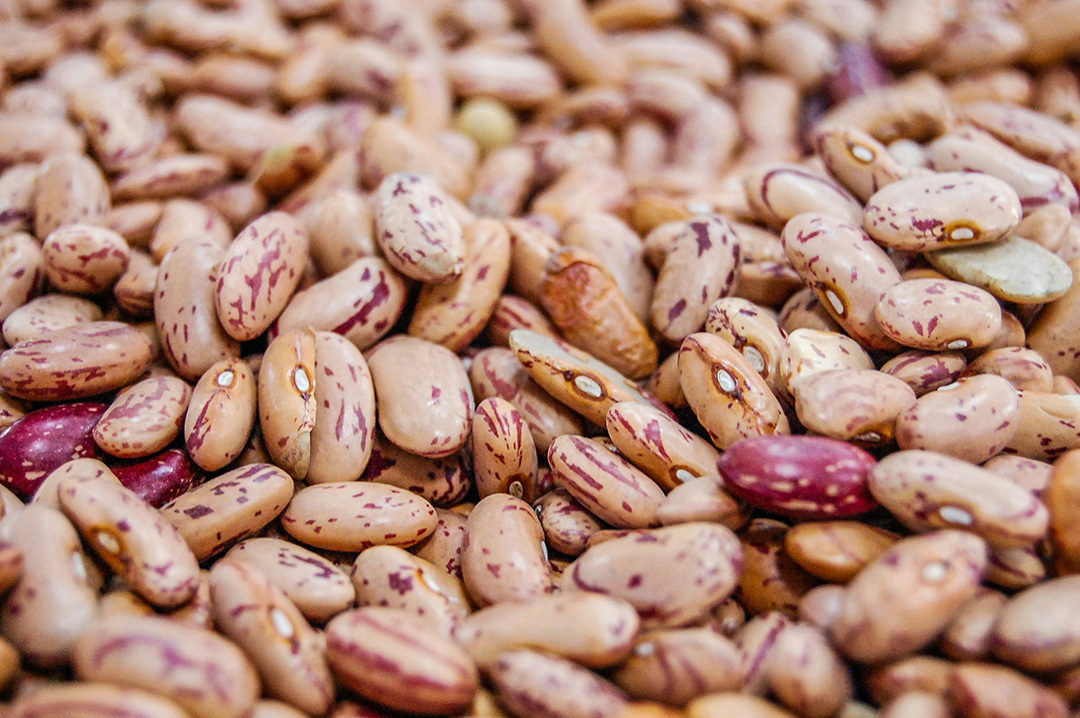
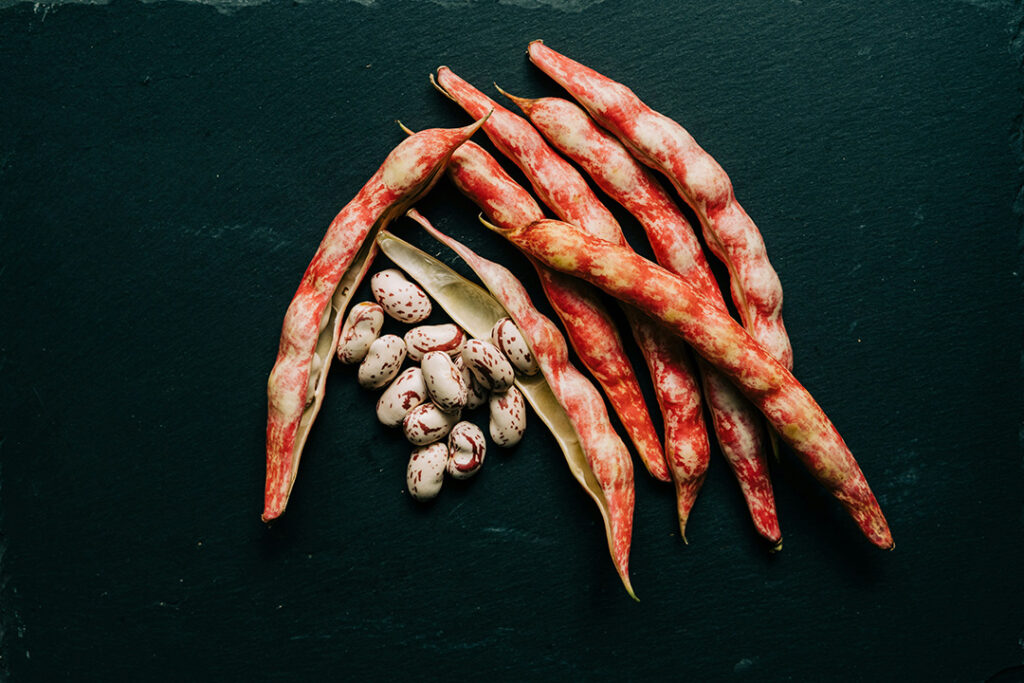
Sugar beans (also known as dry beans or red-speckled kidney beans) are a significant crop in South Africa. They are an important source of nutrient-rich protein for millions of households and have a solid domestic processing network.
According to data from the Crop Estimates Committee (CEC), South Africa’s major dry bean regions remain an important component of summer crop portfolios. Production figures of about 90 000 tonnes cater for the commercial market. The sugar bean market is a very competitive niche compared to mega-crops such as maize, and margins are directly related to the preservation of post-harvest quality.
Sugar bean farmers and food processors are faced with many challenges. These legumes are vulnerable to physical damage, water absorption and pest infestations. Many farmers already use bulk bags as their main logistical vessel to maintain premium retail grades and streamline operations.
Custom Bulk Bags (CBB) is an industry leader in providing specialised, high-capacity containment solutions to support operations from the field to the packaging plant. We can produce up to 3.5 million bulk bags annually for farmers and food processors in South Africa and neighbouring countries.
Optimising the storage and transport of sugar beans
For food processors, the switch from traditional 25kg or 50kg polypropylene sacks to 1-tonne or 2-tonne bulk bags offers immediate benefits in terms of efficiency, affordability and versatility. Having to deal with hundreds of small individual sacks is a huge amount of manual labour and increases loading times.
By opting for a single heavy-duty bulk bag instead, farmers and food processors immediately become more efficient. Forklift or tractor operators can load flatbed trucks or shipping containers in minutes instead of hours, which reduces turnaround times and lowers overall labour costs.
Sugar beans can also be damaged; the kernels may chip and the bean skins may split when they rub against each other. Damaged beans are immediately downgraded at the processing plant and are sold for less. The woven polypropylene bulk bags provide great structural stability, keeping the beans tightly nested and reducing the internal friction when travelling over the back roads of the country.
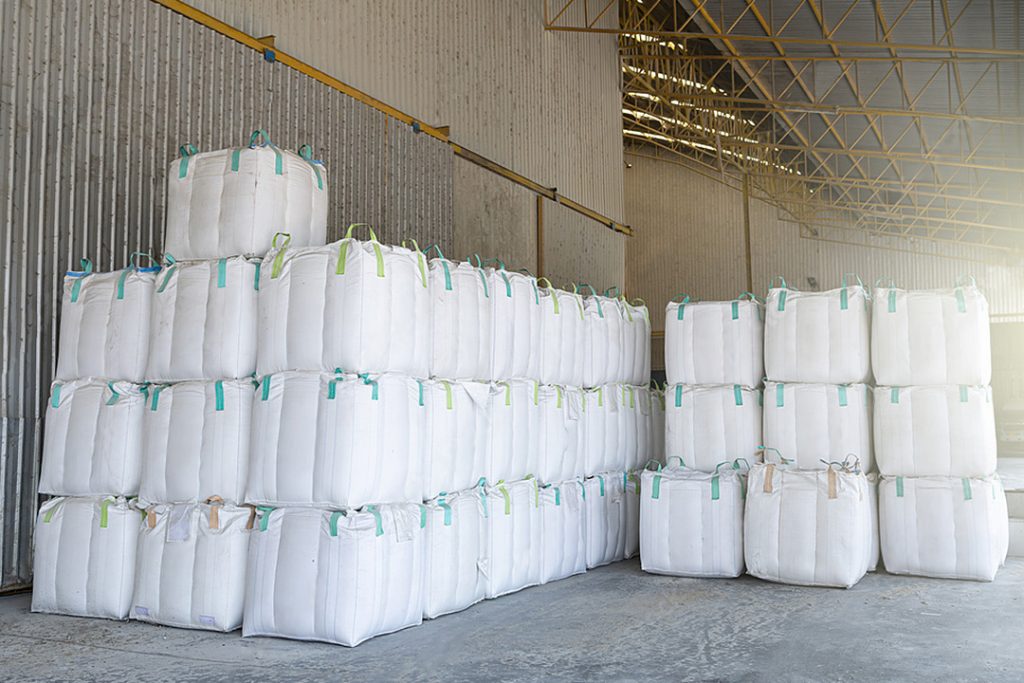
Lastly, full bulk bags are stackable, which allows farmers and processors to make the most of vertical space inside silos, warehouses and storage sheds. When empty, they collapse completely flat, occupying a fraction of the physical warehouse footprint required for rigid plastic crates or wooden bins.
Ideal specifications for bean bulk bags
The best way to get the most out of bulk bags in the agricultural industry is to customise them to suit the physical characteristics of the crop. Several optional design features are highly recommended for sugar beans:
- Baffled bag design – Standard bulk bags will bulge into a circular shape when filled with loose granular items like beans. Internal fabric panels, or baffles, will help the bag keep its square shape when full. Baffled bags are far more stable when stacked, reducing the risk of the load toppling over during transit, and they make better use of space in the warehouse and shipping container – by up to 25%.
- Integrated PE liners – To prevent localised heating, premature sprouting and the growth of dangerous Aspergillus moulds, sugar beans must be kept dry. CBB can add an internal PE liner in the bags, or the woven fabric can be coated with an external lamination. This creates a barrier that is effective against ambient humidity, moisture and dust, ensuring the beans remain pristine during storage.
- Special filling and discharge spouts – To minimise damage and dusting of the product during high-speed automated loading, a top filling spout can be custom-designed to precisely fit the dimensions of your hopper. On the processing side, an outlet spout at the bottom of the bin allows a regulated, gentle discharge of beans directly into sorting machines or retail packaging augers.

Certified food-grade bulk bags from CBB
There is no compromise when it comes to packaging products for human consumption. Standard industrial bulk bags can leave behind trace microfibres, dust or machinery lubricants in the weave, which can taint a batch of food.
CBB has built a state-of-the-art, certified food-grade cleanroom facility in Durban. Our agricultural bags are manufactured with 100% virgin polypropylene resin, and inline metal detectors guarantee a sterile, contamination-free environment.
These products are perfect for bean farmers and food processors who need local packaging products that meet international certifications. Please contact us today to chat with our knowledgeable sales team. We offer free advice and guidance to ensure you get exactly what you need.
___
Custom Bulk Bags is a major South African manufacturer of woven polypropylene bags for various industries, including mining, chemicals and agriculture. We are a Level 2 B-BBEE supplier that falls under the ownership structure of Deneb Investments Limited. For more information on our products, contact sales@custombulkbags.co.za.
