
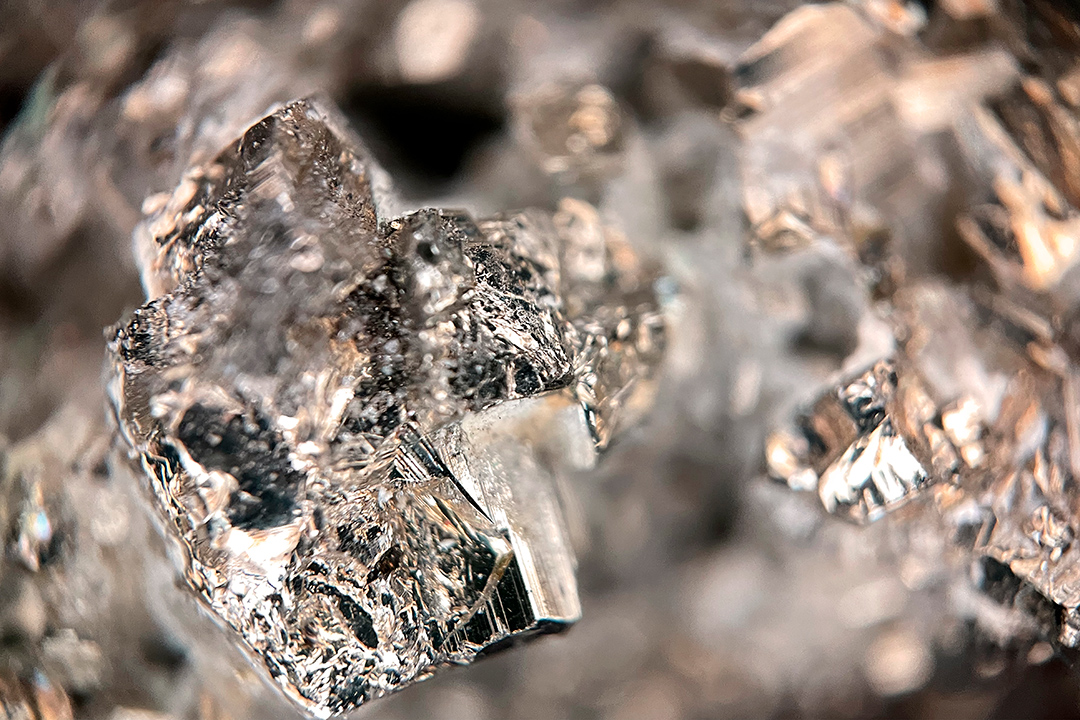
South Africa is the world’s biggest producer of chromite, with over 70% of the world’s total chromium reserves located in the Bushveld Igneous Complex between Pretoria and Polokwane. The mining sector is one of the most important parts of the national economy, with mineral exports contributing more than R816 billion to the Gross Domestic Product (GDP).
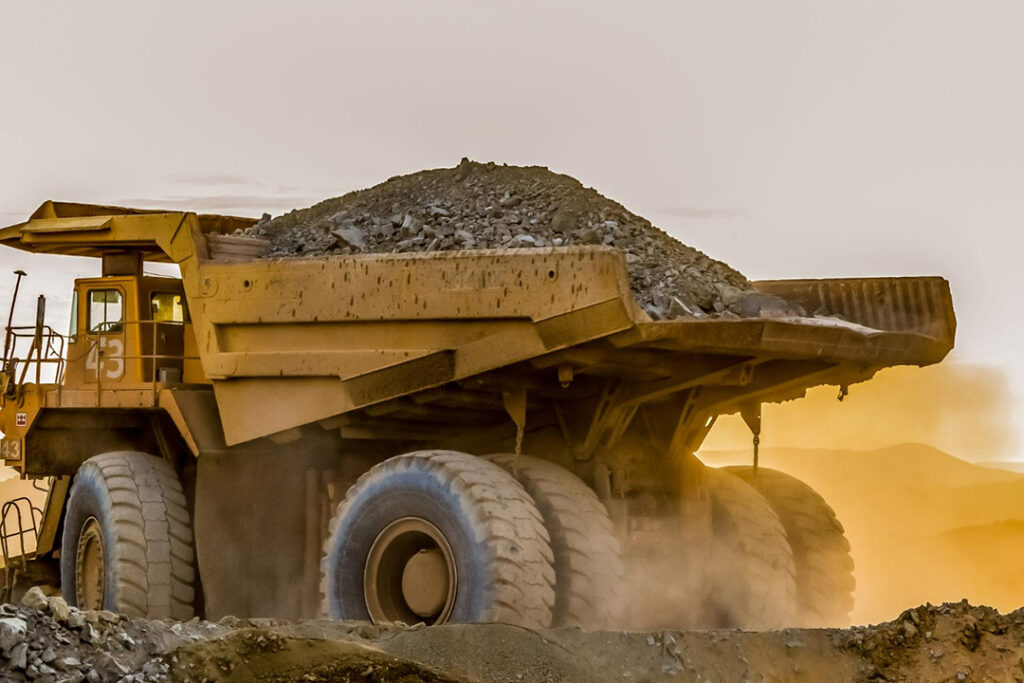
South Africa shipped a record 23.4 million tons of chrome ore last year, thanks to global demand for ferrochrome and stainless steel production. An efficient supply chain is needed to convert raw ore into profitable export sales. For chromium mines, moving heavy mineral concentrates in bulk from processing sites to regional depots and ports is a major cost centre.
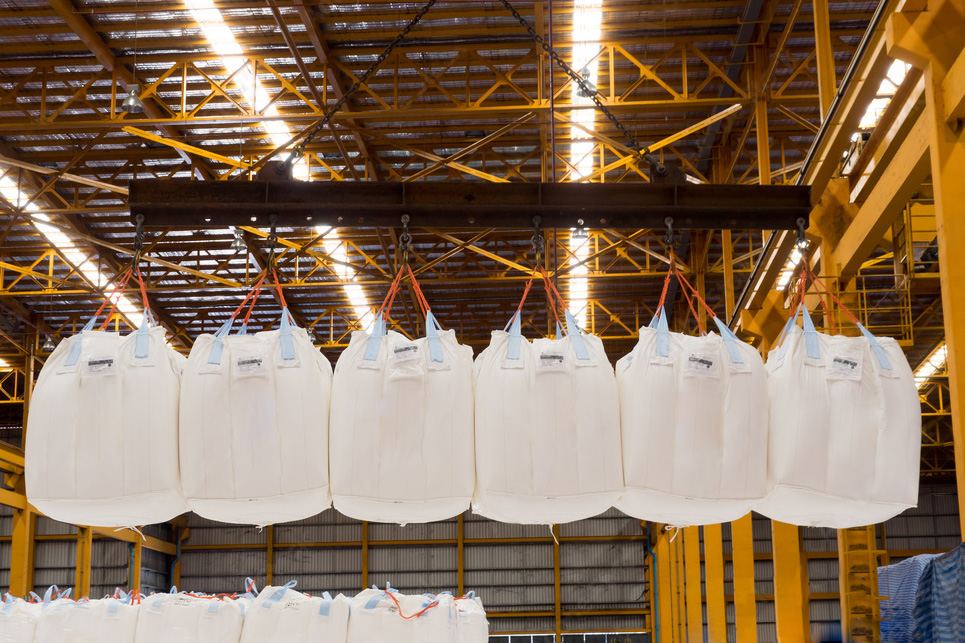
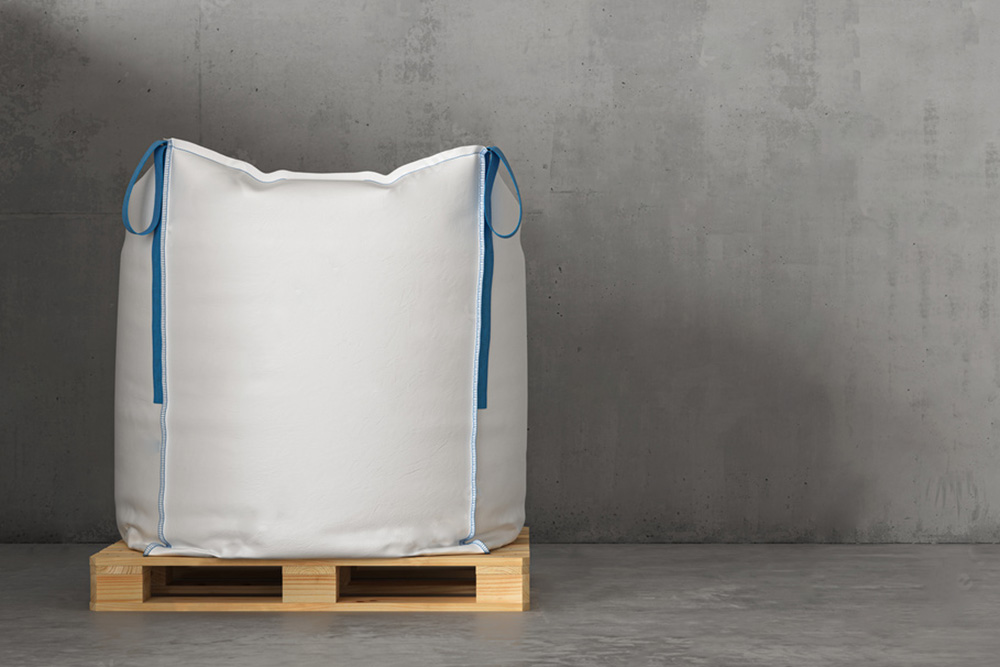
Chromium producers benefit from a high-volume, economical packaging solution in the form of custom-engineered flexible intermediate bulk containers (FIBCs), more commonly known as bulk bags. Custom Bulk Bags (CBB) can produce up to 3.5 million FIBCs every year for mines and mineral processors in South Africa and neighbouring countries.
Use of chromium in Africa
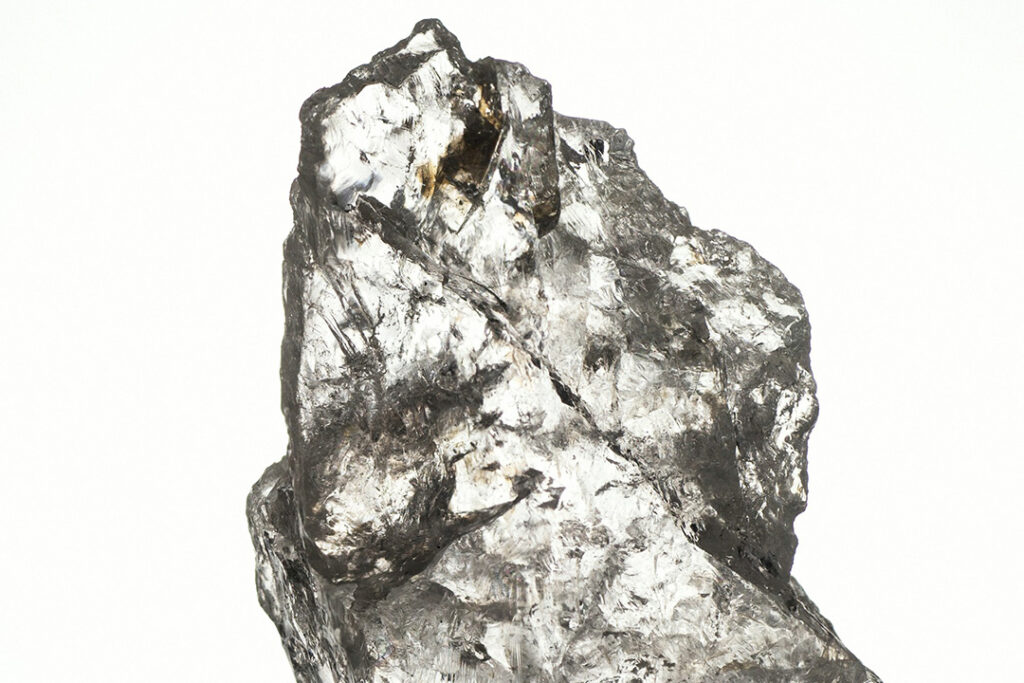
Chromium is a major industrial metal in African manufacturing and in export markets. It’s mainly used in ferrochrome and stainless steel production. More than 80% of mined chromite is smelted into ferrochrome, a key ingredient that adds corrosion resistance and hardness to stainless steel.
It also has chemical applications. Refined chrome chemicals are widely used in leather tanning, pigment manufacturing, timber preservation and electroplating. In addition, high-grade chromite sand is used in refractories and foundries to make the thermal lining of furnaces and foundry moulds, and has a very high melting point and chemical stability.
Challenges with transporting chrome ore
Despite its high market value, chromium ore and processed concentrates can be challenging to store and transport. Chromite sand and chromite ore are very heavy and dense materials. Packing several tons into woven containers puts a huge strain on the seams of the packaging. Dynamic load forces when being shifted or hoisted by crane can cause standard bulk bags to split or tear.
Secondly, rail infrastructure bottlenecks mean that more than 9 million tonnes of chrome ore are exported out of South Africa by road. Road freight commands a cost premium of approximately 40% over rail. Mines cannot afford space inefficiencies or lightweight, under-filled containers that increase the per-tonne transport costs.
Thirdly, micro-fine mineral particles are present in chromium fines and processed concentrates. Open-top trucks that are not sealed, or poorly sewn bulk bags, can lose a lot of product to the wind when driven over long distances on highways. Along with the financial loss, airborne chromium dust poses environmental compliance issues and health hazards in South Africa.
How customised FIBCs improve storage
Custom-designed bulk bags make it more affordable and easier to store dense, volatile mineral concentrates. Using FIBCs that are specifically designed for heavy mineral extraction offers immediate benefits to mines and mineral processors.
Chromium FIBCs are made from high-quality polypropylene (PP) tapes woven together to produce heavy-duty fabrics from 200 to 240+ GSM (grams per square metre). These containers are rated for Safe Working Loads (SWL) of up to 2000kg, with a minimum 5:1 Safety Factor (SF) for single trips or 6:1 SF for reusable bags.
Heavy-duty lifting loops (cross-corner or Stevedore configurations, for example) can be included in the design specifications of these bulk bags. This means forklifts and port cranes can move multi-tonne payloads without fear of snapping the lifting loops.
Bulk bags should also have triple sift-proof seams to keep the fine chromite sand from escaping. The bags are sewn together with felt strips or thick yarn filler cords to prevent sifting of fine, powdery materials. Additionally, an internal polyethylene (PE) liner or external lamination will stop ambient moisture from turning fine mineral concentrates into unusable sludge.
When filled, standard bags tend to bulge out, wasting valuable space on flatbed trailers. Bulk bags can be fitted with internal fabric baffles to maintain a rigid, square footprint when full. This prevents load shifting on rough mine roads, improves warehouse stacking safety, and increases payload density by up to 25%.
Your trusted mining packaging partner
Purchasing bulk bags from overseas brokers leaves your mine exposed to international shipping delays, port congestion and the fluctuation of foreign exchange costs. CBB offers a world-class locally made alternative. Our production site in Durban has an annual capacity of 3.5 million bulk bags. We control the entire manufacturing chain, from the extrusion of polymer tape to circular weaving, lamination and cleanroom stitching, ensuring that every bag delivered to your mine meets strict international quality standards (ISO 9001:2015).
CBB is a proud local Level 1 B-BBEE company with short lead times, guaranteed stock availability and hands-on technical support. Our engineers can visit your mine to audit your filling chutes, conveyor belts and crane rigs to design bespoke FIBC prototypes specifically to suit your operational requirements.
If you’re ready to lower your freight overheads and secure your chromium supply chain, please contact us today to chat with our sales team about customised FIBCs for storing and transporting chromium.
___
Custom Bulk Bags is a major South African manufacturer of woven polypropylene bags for various industries, including mining, chemicals and agriculture. We are a Level 1 B-BBEE supplier that falls under the ownership structure of Deneb Investments Limited. For more information on our products, contact sales@custombulkbags.co.za.
