

South Africa’s formal waste management market is valued at over R22 billion and deals with 61 million tons of municipal, industrial and hazardous waste every year. South Africa has strict Extended Producer Responsibility (EPR) laws and national diversion goals that ensure this sector is regulated and functional.
The sector is a significant contributor to national Gross Domestic Product (GDP) through resource recovery, municipal services and industrial logistics; however, it’s highly dependent on safe, scalable and cost-effective containment of waste. Handling diverse waste streams, such as lightweight scrap plastics and volatile chemical residues, can lead to various operational hazards.
Across the country, flexible intermediate bulk containers (FIBCs), also known as bulk bags, have become essential tools for waste management companies, scrap processors and environmental remediation businesses. Custom Bulk Bags (CBB) can produce up to 3.5 million FIBCs every year for waste management businesses in South Africa and neighbouring countries.
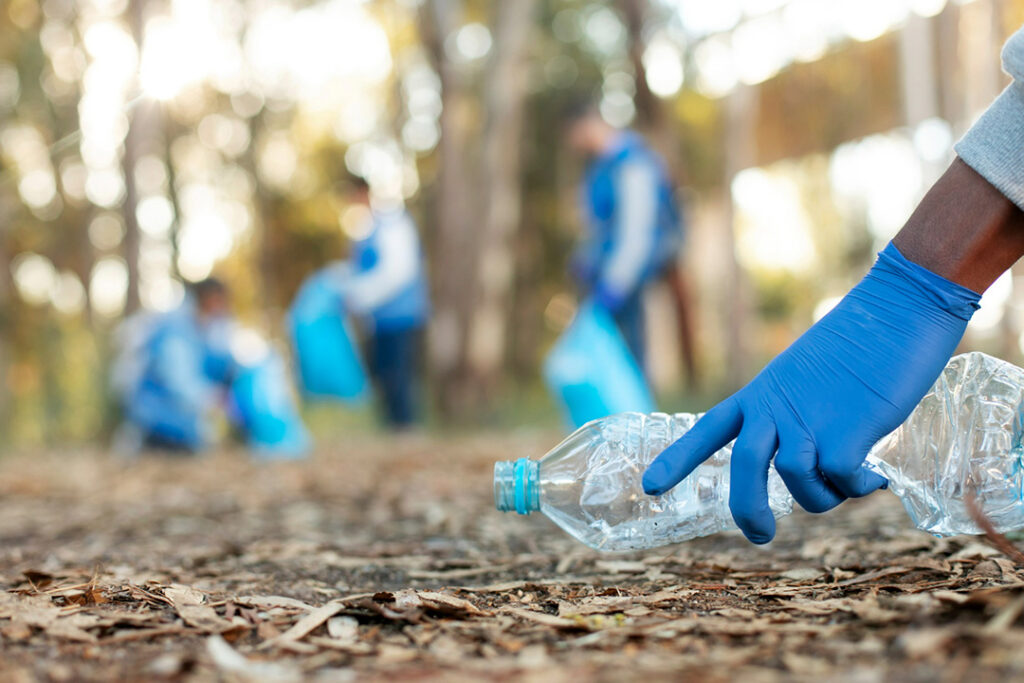
Design specs and use cases for waste management
Depending on the physical and chemical properties of the waste material, transportation and storage require customised packaging. A “one-size-fits-all” approach could result in bag ruptures, environmental contamination and regulatory non-compliance. The design of FIBCs varies widely according to the waste profile:
1. Dry industrial scrap and recyclables – Shredded plastics, PET bottles, metal turnings, paper pulp and crushed glass (cullet) need heavy-duty bulk bags with an open top or skirt top. These FIBCs need to be made from woven polypropylene with a high GSM (grammes per square metre). High puncture resistance and robust cross-corner lifting loops are important for sharp or heavy waste such as glass or metal shavings. Unlaminated breathable fabric is often used for organics or wet recyclables to prevent the build-up of moisture. With a 6:1 Safety Factor (SF), the bags can be reused numerous times on collection routes.
2. Fine sludges, ash and dusty waste – Fly ash, mine tailings, chemical sludge, sandblast dust, lime residues require a more specialised bulk bag. Standard needle punctures or weave gaps are susceptible to leaking fine powders and wet sludges. Triple-sift-proof seams and external lamination or internal Polyethylene (PE) liner are required to prevent leaching into the environment and airborne dust. Bottom-spout configurations allow operators to dump fine waste directly into containment pits or treatment hoppers without creating dust clouds.
3. Hazardous and dangerous waste – UN-Certified FIBCs are required for asbestos, contaminated soil, heavy metal slag, toxic chemical residues and regulated industrial byproducts. These bags are rigorously tested, including top-lift, drop, stacking and tear resistance testing, to meet strict international dangerous goods standards. They are made with heavy-duty PE liners, tamper-evident seals and specific UN marking codes that indicate the hazard class and packing group. The fabric is also UV-stabilised to resist degradation during long-term outdoor storage at hazardous landfill sites.

Why CBB is the waste sector’s packaging partner of choice
When working with hazardous materials or large municipal waste streams, dependable packaging availability is a must. Bulk bags bought from overseas brokers expose local waste management companies to unpredictable port backlogs, shipping delays and fluctuating foreign exchange rates.
CBB is a proudly South African manufacturer, ensuring a strong packaging supply chain that is anchored locally. Our in-house manufacturing facilities in Durban oversee every stage of the production process, from extruding virgin polymer tapes to weaving, laminating and sewing the finished bulk containers.
We have recently been upgraded to a Level 1 B-BBEE company, which means partnering with CBB enhances your corporate preferential procurement scorecard whilst directly supporting local industrial manufacturing jobs.
In order to custom-engineer bags for your automated hoppers, forklift rigs, and trash categorisation machinery, our technical experts can do site audits. With certified bulk bags made for South Africa’s various waste materials, you can expedite waste collection, guarantee environmental compliance, and protect your employees. Please contact us today to chat with our sales team about customised FIBCs for storing and transporting waste.
___
Custom Bulk Bags is a major South African manufacturer of woven polypropylene bags for various industries, including mining, chemicals and agriculture. We are a Level 1 B-BBEE supplier that falls under the ownership structure of Deneb Investments Limited. For more information on our products, contact sales@custombulkbags.co.za.
