
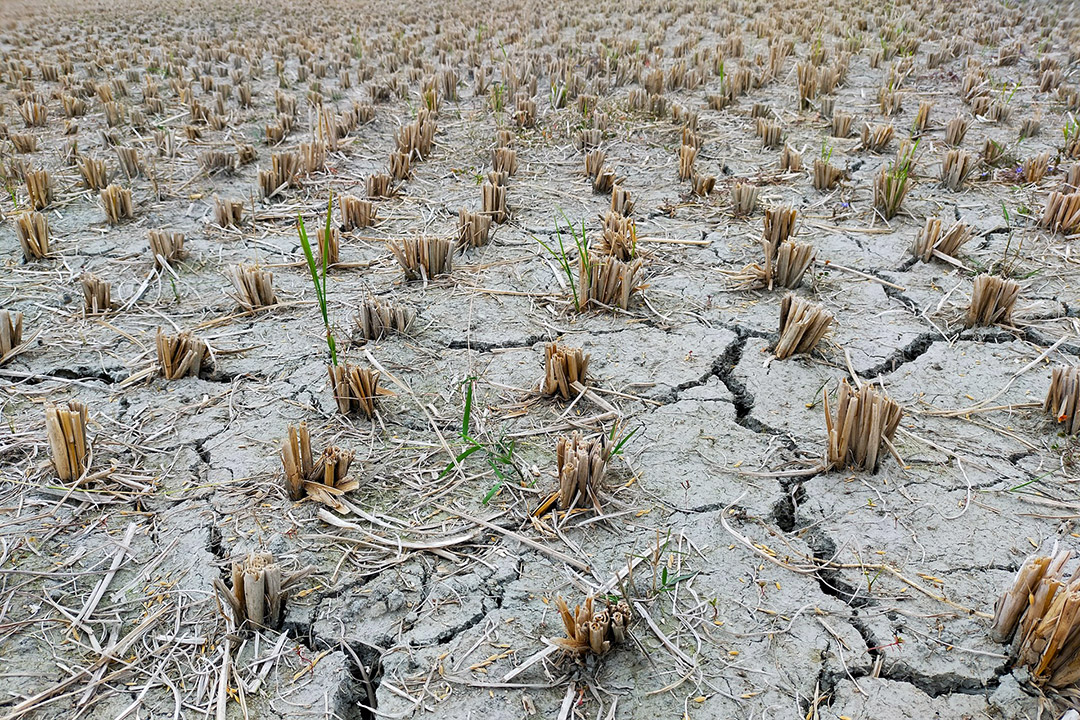
Southern Africa is staring down the barrel of the next El Niño cycle, but what does this mean, and how will it affect fresh produce suppliers and farmers? El Niño is a natural climate phenomenon that occurs when surface waters in the central and eastern Pacific Ocean warm up, changing the patterns of atmospheric circulation around the world.
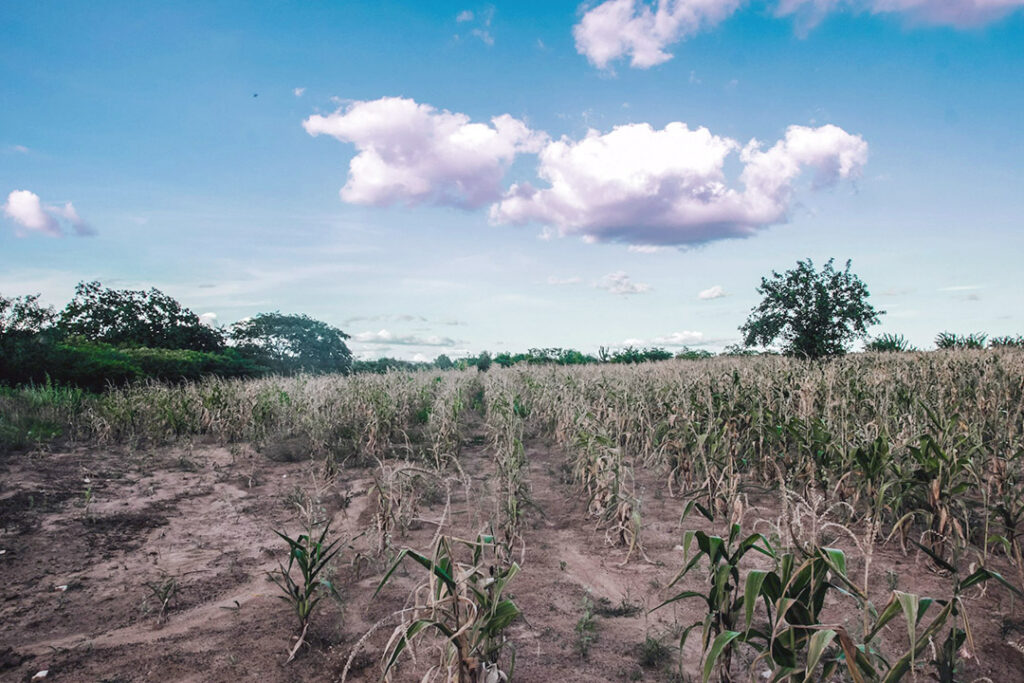
It happens every few years and is expected to bring hotter temperatures and drier conditions to key agricultural regions across Southern Africa. This climate pattern has historically resulted in prolonged periods of drought, severe heatwaves and below-average summer rainfall.
Farmers, agribusinesses and fresh produce suppliers are facing a number of operational challenges from these weather patterns. The local agricultural sector contributes around 3% to South Africa’s national Gross Domestic Product (GDP) and supports millions of livelihoods.
Industry leaders, researchers and government stakeholders need to evaluate drought preparedness for the upcoming summer season. The need for this planning is rooted in recent history: the 2023–2024 El Niño cycle caused a drastic 22% reduction of grain harvests across the country.
As water supplies dwindle and crops are exposed to more heat stress, produce suppliers will need to adopt more efficient supply chain strategies to protect harvests, maintain food quality and fight rising input costs.
Why fresh produce is easier to transport and store in bulk bags
Flexible intermediate bulk containers (FIBCs), or woven bulk bags, are important packaging products that help produce suppliers deal with climate pressures. They are manufactured from a high strength woven polypropylene, providing a light weight but heavy duty alternative to the traditional rigid timber or plastic crate.
Field-picked vegetables (potatoes, onions, carrots and butternut squash) require customised packaging systems during harvest due to heat build-up and physical spoilage. FIBCs constructed with breathable, ventilated mesh fabrics allow constant airflow through the payload, dissipating heat and preventing moisture buildup. The semi flexible fabric walls also absorb shock much better than rigid bin walls greatly reducing impact bruising on fresh produce.
Bulk bags also play an important role in handling agricultural chemicals, fertilisers and soil inputs needed to keep crops healthy during drought periods. Dry granular fertilisers, agricultural lime and soil conditioners can be packaged in heavy-duty two-tonne bulk bags with moisture-proof liners to keep critical inputs dry and free-flowing. Once emptied, FIBCs fold flat, greatly reducing storage footprint and minimising return-freight logistics costs.
Custom Bulk Bags (CBB) can produce up to 3.5 million FIBCs every year for farmers in South Africa and neighbouring countries. These flexible woven containers can safely store up to two tonnes of produce or fertiliser per bag, and measure up to two cubic metres in volume.

Lessons from previous El Niño cycles
South African produce suppliers are entering the 2026/27 El Niño cycle with more foresight, thanks to valuable lessons learnt from previous drought periods. In previous cycles, growers faced extreme post-harvest losses and skyrocketing freight costs because of late adjustments in the supply chain and unexpected packaging shortages.
Today, produce suppliers are using climate intelligence to make proactive purchasing decisions well before the heat arrives. Agribusinesses are focusing heavily on supply chain efficiency, early input procurement and waste reduction. Suppliers can keep more of the soil inputs on the farm and make moving produce from field to packhouse much easier by switching to reusable, space-saving bulk bags.
This forward-looking approach reduces the damage caused by handling the crops, protects profit margins and ensures that the harvested produce reaches the markets in the best possible condition, despite difficult environmental conditions.
How Custom Bulk Bags can help produce suppliers
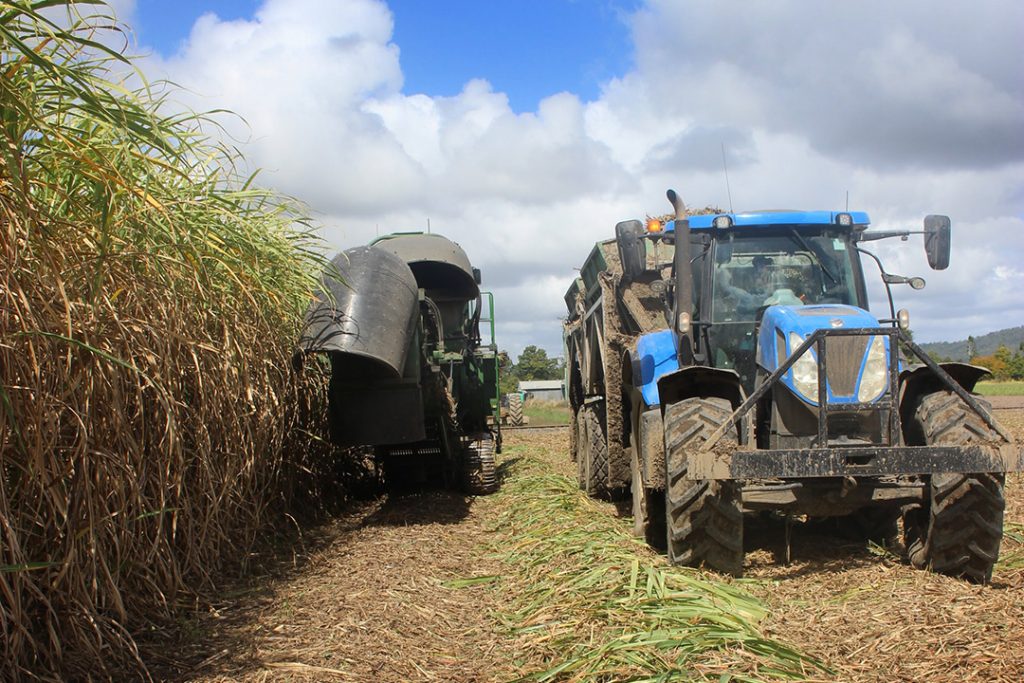
Success during a drought hinges on reliable local partners who can maintain supply chains. CBB can provide South African produce suppliers with premium, customisable FIBCs designed to meet agricultural needs. We have a state-of-the-art production facility in Durban, providing quick turnaround times and reasonable factory-direct pricing.
Our clients are fully protected against international container shortages, local port congestion, and worldwide shipping delays because our bulk bags are made locally in Durban. Additionally, businesses can claim 135% procurement spend recognition on their corporate scorecards through commercial partnerships with Custom Bulk Bags, a recognised Level-1 B-BBEE supplier under Deneb Investments Limited.
We offer the precise bulk packaging solutions your business needs to successfully weather the drought, from ventilated textiles and UV-stabilised weaves to specialised discharge spouts and brand stamping. To discuss your needs and to get a personalised bulk bag quote, please contact us to speak to our technical sales team.
___
Custom Bulk Bags is a major South African manufacturer of woven polypropylene bags for various industries, including mining, chemicals and agriculture. We are a Level 1 B-BBEE supplier that falls under the ownership structure of Deneb Investments Limited. For more information on our products, contact sales@custombulkbags.co.za.
