
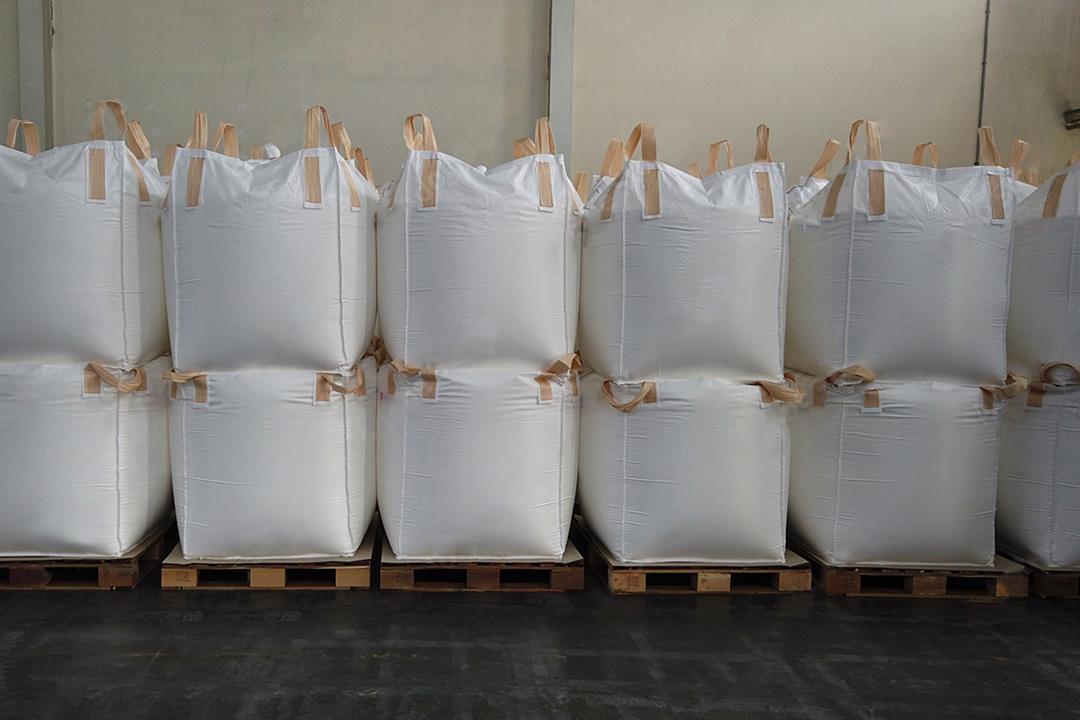
The packaging and logistics industry in South Africa is shifting towards efficiency. Businesses are searching for a comprehensive logistical system that reduces expenses and makes storage and transport more efficient. Slip sheets offer several benefits that help these companies achieve their goals.
Combining slip sheets with flexible intermediate bulk containers (FIBCs) is one of the most successful solutions. Although the conventional wooden pallet has long been the industry standard, “palletless handling” is quickly gaining traction. But what are slip sheets, and why are they being used as the foundation for bulk bag storage and transport in South Africa?
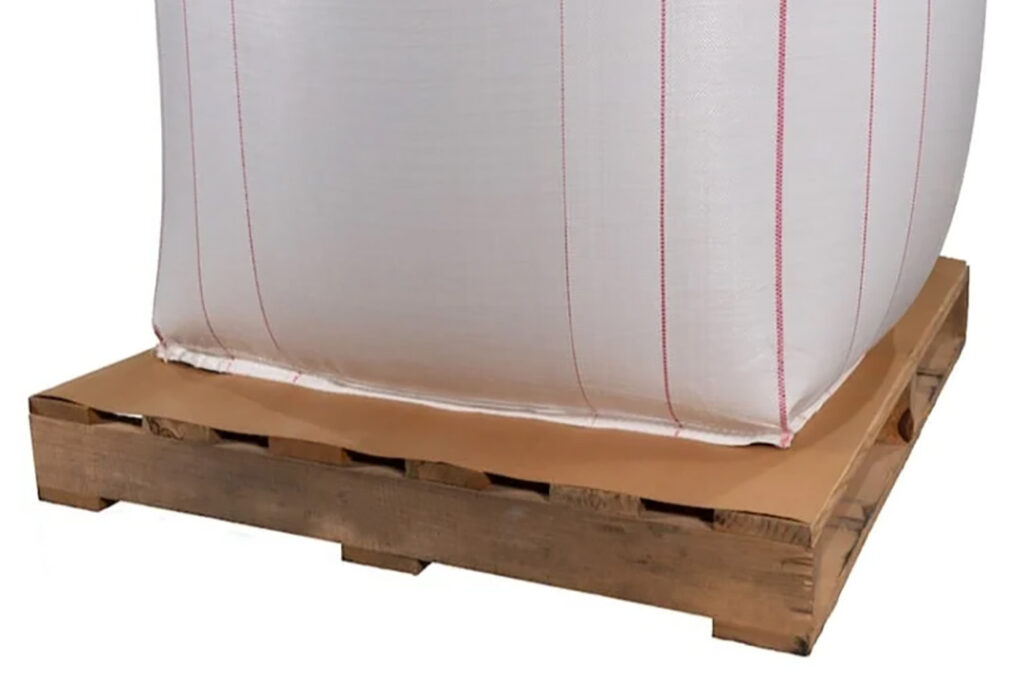
What are slip sheets?
They are thin, pallet-sized sheets of material that serve as a foundation for a unitised load. A slip sheet is usually only a few millimetres thick, in contrast to a wooden pallet that is fifteen centimetres thick. When it comes to bulk bags, a forklift with a specialised push-pull attachment handles the FIBC once it has been filled and placed straight onto the slip sheet.
To make slip sheets, two main materials are used:
- High-density polyethylene (HDPE) plastic – These polymers are incredibly strong, resistant to moisture, and perfect for “closed-loop” systems in which the sheets can be returned and reused hundreds of times.
- Fibreboard – Usually the preferred option for export, these slip sheets are made from several layers of laminated solid-fibre paper. They can support loads of up to 1400kg and are exceptionally robust, lightweight, and 100% recyclable.
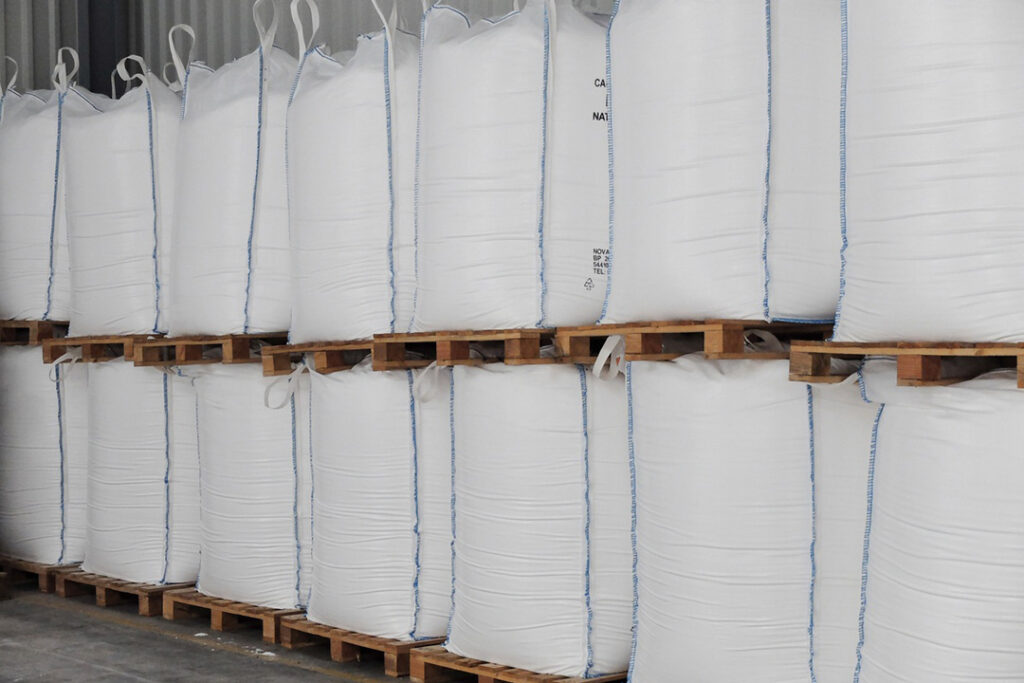
Why slip sheets are a game-changer
The combination of cost and space optimisation is the main driver behind the switch to slip sheets. They address a number of the hidden issues with conventional palletising when combined with bulk bags.
1. Considerable cost reductions
There is no denying the financial case for slip sheets. Depending on quality, a typical hardwood pallet in South Africa might cost anywhere from R150 to R250. A premium paperboard slip sheet, on the other hand, is far less expensive. By switching from pallets to slip sheets, you can save your initial packing costs by up to 80%. There are also no nails to replace, no broken slats to repair, and no expensive “pallet exchange” programs to manage.
2. Maximising container capacity
You pay for each cubic centimetre of container space when shipping internationally. Wooden pallets are dead space since they occupy vertical space but don’t contain any goods. You can improve the loading volume in a 40-foot container by around 10% by using slip sheets.
Similarly, a slip sheet weighs around 1.5kg, while a wooden pallet weighs around 20kg. This weight reduction can lower fuel consumption on a full truckload and enable the transportation of more payload within permitted weight limitations.
3. Safety and hygiene
Hygiene is a must for companies in the pharmaceutical and food processing industries. Wooden pallets are infamous for being susceptible to mould, rodents, and insects. Slip sheets, on the other hand, are either treated (paperboard) or inorganic (plastic), so there is no chance of infestation and no need for costly ISPM 15 heat-treatment certifications for export. Wooden pallets are also prone to splintering, which can cause injuries. Slip sheets reduce the possibility of worker injury from protruding nails or splintered wood.
Increasing efficiency and productivity
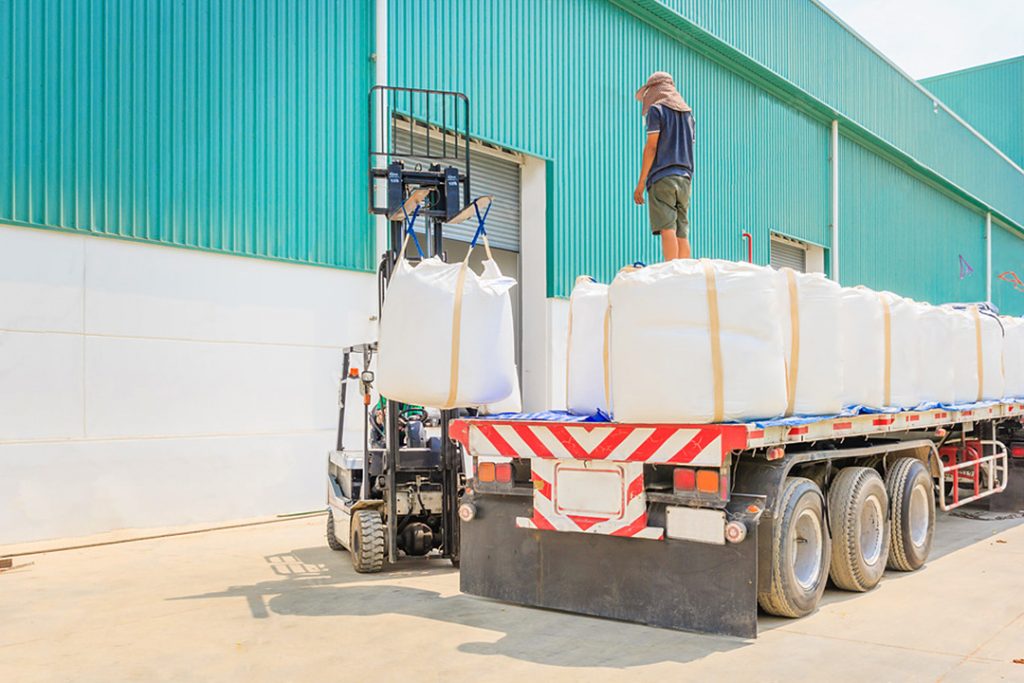
Slip sheets may require an initial investment in a push-pull forklift attachment, but the productivity boost happens quickly. According to industry data, a team of three individuals can spend up to six hours manually ‘floor loading’ a trailer. One forklift operator can load the same trailer in less than half an hour by using bulk bags on slip sheets.
For high-velocity supply chains in South Africa’s industrial centres, this speed is essential. You can minimise bottlenecks and maintain competitive lead times by automating the move from the warehouse floor to the truck bed, with the help of slip sheets.
Custom Bulk Bags (CBB) is a leading local manufacturer and supplier of customised flexible intermediate bulk containers (FIBCs). We produce 3.5 million bulk bags annually, ensuring that you are always stocked. Our business is based in Durban.
We extrude and weave our own premium polypropylene fabric and manufacture everything in-house. This allows us complete control over the tensile strength and quality of each bag we produce. This makes them an affordable and versatile packaging solution for various industries.
Not all bulk bags are designed to handle slip sheets. The stability of the bag is important because slip sheets don’t have the stiff “fork tunnels” of a pallet. Baffle bags (Q-Bags), which use internal fabric stays to keep the square shape, are recommended. Slip sheet stability depends on this square footprint to prevent your load from shifting or tilting while in transit.
Slip sheets are the ideal solution if your company is having trouble with growing pallet costs, warehouse space restrictions, or international export laws. They provide a route to a more lucrative and sustainable supply chain when combined with premium, regionally made FIBCs from CBB. Please contact us today for more information about our FIBCs or to get a free consultation.
___
Custom Bulk Bags is a major South African manufacturer of woven polypropylene bags for various industries, including mining, chemicals and agriculture. We are a Level 2 B-BBEE supplier that falls under the ownership structure of Deneb Investments Limited. For more information on our products, contact sales@custombulkbags.co.za.
