
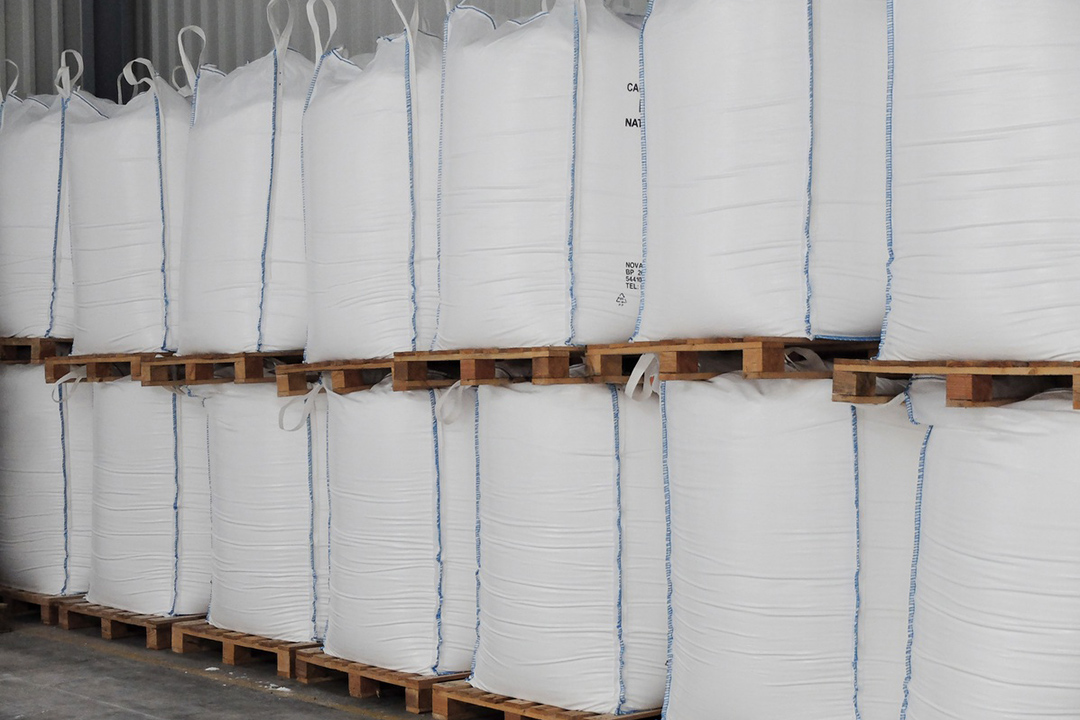
Efficiency is a core pillar of any business. Bulk bags, also called flexible intermediate bulk containers (FIBCs), provide an extremely cost-effective and adaptable option for the long-term storage of bulk items, whether you are a chemical manufacturer in Gauteng, a mining company in the Northern Cape, or a maize farmer in the Free State.
A bulk bag’s dependability hinges on how well it is maintained. These marvels of woven polypropylene are made to be strong, but they are not unbreakable. Material fatigue, contamination, and, in the worst case, catastrophic failure during handling might result from improper storage techniques.
Custom Bulk Bags (CBB) is a leading local manufacturer and supplier of customised FIBCs. We produce 3.5 million bulk bags annually for farmers across the region. We extrude and weave our own premium polypropylene fabric and manufacture our inner liners in-house. This guide will outline the best practices for long-term storage and is divided into two key areas: how to store empty bulk bags to preserve their integrity and how to manage various products stored inside bulk bags for extended periods.
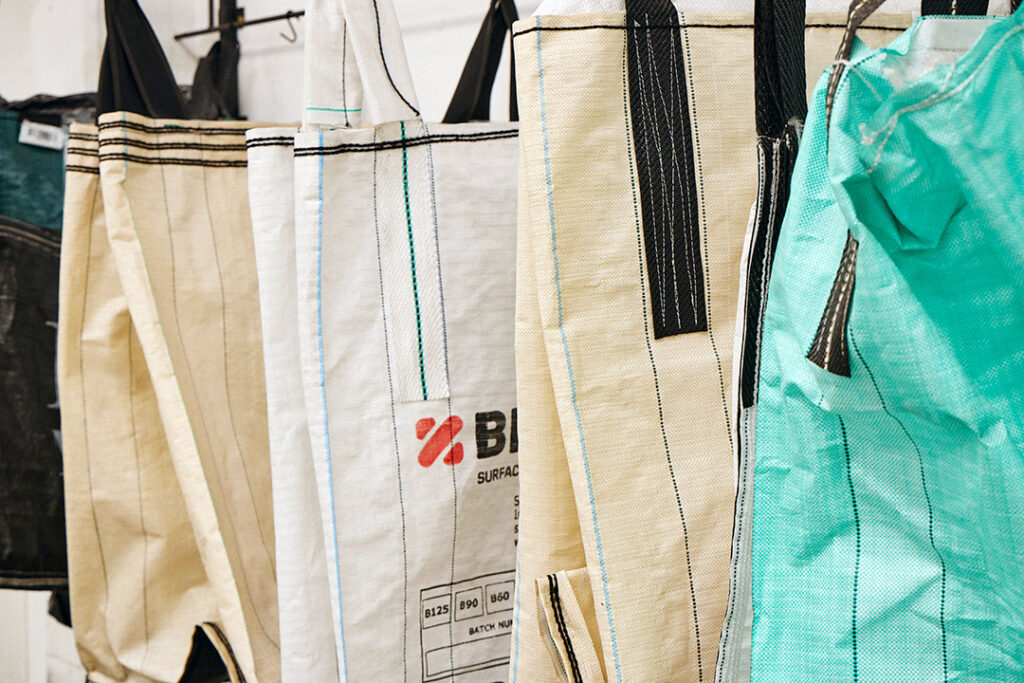
Long-term storage of empty bulk bags
It’s a widespread misconception that just because a bag is empty, it may be put in a corner and left until harvest or production season. Despite being durable, polypropylene is a polymer that is sensitive to its surroundings. Use these best practices if you want your bags to function at their Safe Working Load (SWL) when the time comes:
1. Minimise UV exposure – The South African sun is warm, but it’s a death sentence for polypropylene. The plastic’s molecular connections are broken by UV radiation, resulting in brittleness. Keep empty bags inside at all times. They must be covered with a sturdy, UV-opaque tarp if indoor storage is not feasible. Keep them away from windows where they could be exposed to direct sunlight on a daily basis, even in a warehouse.
2. Moisture control and palletisation – It’s a surefire way to get into problems if you store bags directly on a concrete floor. Concrete can sweat, and after months of contact, moisture can damage the fabric or encourage the growth of mould. Keep folded bags on pallets made of plastic or wood. This permits airflow and keeps them off the ground. A stray splinter or a projecting nail might grab and rip a bag before it’s even used, so make sure the pallets are in good shape.
3. Dust prevention and plastic wrapping – Dust is abrasive and can contaminate the materials you place inside bulk bags. Stretch-wrap the entire batch of folded FIBCs in plastic, then carefully place them on a pallet. This impervious seal will protect empty FIBCs from dust, moisture and rodents.
4. Temperature and ventilation – Over time, the plastic can creep or deform due to extreme heat. Make sure there is adequate ventilation in your storage area. Avoid keeping bags in unventilated metal containers that can become ovens in the South African summer or next to heat sources like industrial boilers.
5. First-in, first-out (FIFO) storage – There is a shelf life for polypropylene. It is excellent practice to use your oldest stock first, even in ideal circumstances. Put the delivery date on the label of each pallet. This guarantees that you are not using fresh bags while older ones remain in the back of the warehouse, where they could deteriorate.
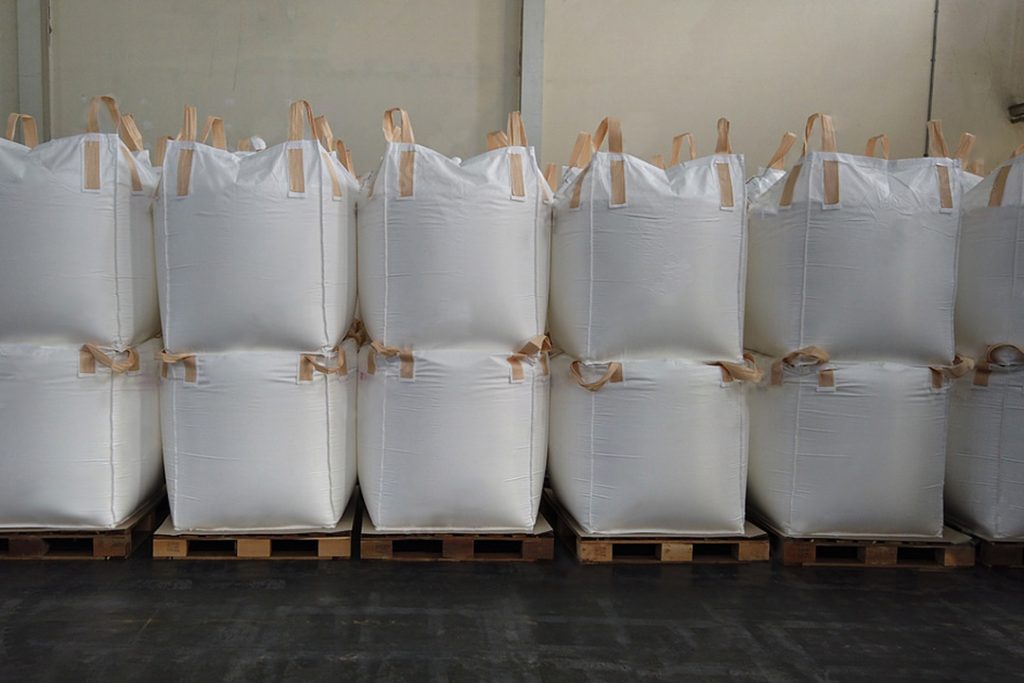
Long-term product storage in bulk bags
The stakes are significantly higher when a bulk bag is in use and transporting tonnes of expensive goods. A thorough grasp of the substance contained in loaded bags is necessary for long-term storage.
1. Food items (grains, flour, and sugar) – Pests and dampness are the main adversaries of the food sector. Food-grade FIBCs produced in clean room settings should always be specified. Use an inner liner (PE or foil) for long-term storage to keep moisture out. Put in place a rigorous rodent control program and store these bags in a climate-controlled area. A hungry rat is stronger than woven plastic.
2. Chemical substances – Chemicals may be harmful to the bag itself, hygroscopic (absorbing moisture), or volatile. To stop the chemical from reacting with the environment, use coated cloth or specific liners. To avoid sparks during long-term storage or subsequent movement, you must use Type C (conductive) or Type D (dissipative) bags if the chemical is prone to producing static. Make sure the material of the bag is chemically compatible with the contents at all times.
3. Fine powders – Sifting or leakage through the weave and stitching is the greatest concern associated with long-term storage of powders. Sift-proof seams are crucial for the proper containment of powders. A filler cord should be used to plug the needle holes in these seams. Furthermore, since even a tiny bit of humidity can turn a bag of powder into a solid, useless block, an inner liner is strongly advised to guarantee the powder stays bone-dry and contained.
4. Ore and concentrate mining – Typically, mining products are abrasive and have a high density. Make sure the bags have stronger lifting loops and a greater Safety Factor (about 6:1 for multi-trip or long-term staging) because of the heavy weight. Use a liner to stop hazardous drainage of washings if the ore is moist. Make sure the loaded mining bags are stacked on a level area to avoid tilting, which, over time, causes unequal stress on the seams.
5. Farm produce – Organic produce must breathe in order to avoid fermentation and decomposition. Use ventilated (breathable) bulk bags. These have weaves with mesh-like strips that maximise airflow. Make sure the environment is dry and cool for long-term seed storage because heat will destroy the seeds’ ability to germinate.
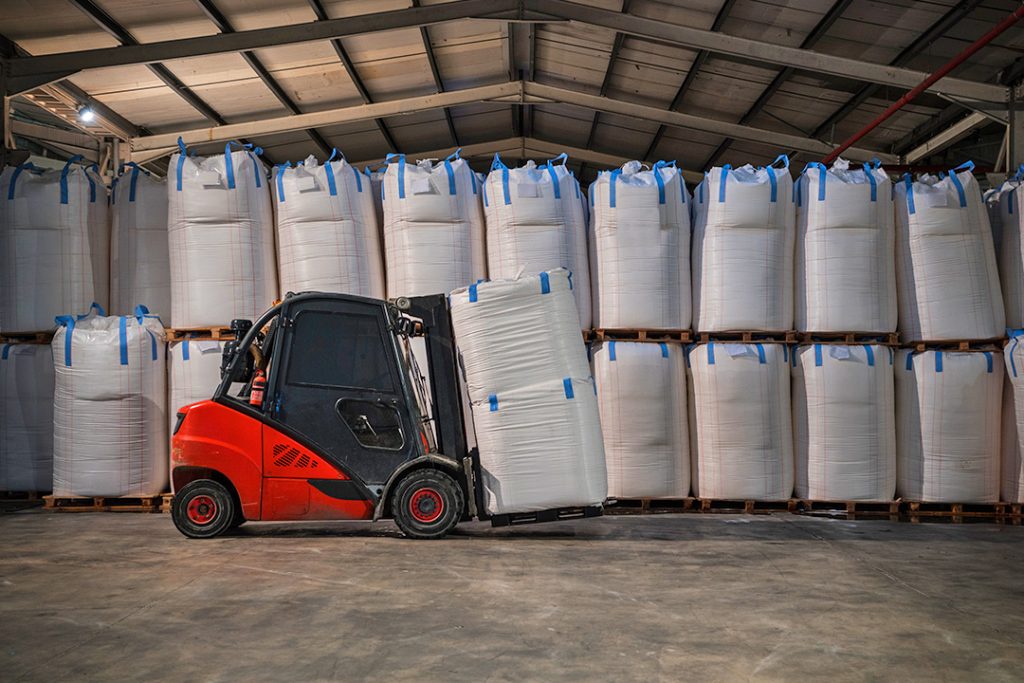
Your local excellence partner in packaging
Being a leading manufacturer of bulk bags in South Africa, CBB is aware of the unique difficulties posed by our local environment. The science of long-term storage of FIBCs strikes a balance between logistical common sense and material physics. You can guarantee both the quality of your product and the safety of your site by choosing the correct liners and seams for your loaded goods and protecting your empty bags from the sun and moisture.
CBB continues to be the reliable partner for South Africa’s farmers, mines, and factories thanks to its track record of excellence and dedication to providing premium, reasonably priced packaging. Please contact us today for more information about our FIBCs or for advice on long-term storage with our products.
___
Custom Bulk Bags is a major South African manufacturer of woven polypropylene bags for various industries, including mining, chemicals and agriculture. We are a Level 2 B-BBEE supplier that falls under the ownership structure of Deneb Investments Limited. For more information on our products, contact sales@custombulkbags.co.za.
