

Official figures for the first half of 2026 show a R2.1 billion investment spike under the South African government’s Poultry Masterplan. The sector has effectively increased infrastructure to allow it to process an astounding 23 million chickens per week, according to data from the South African Poultry Association (SAPA). Poultry now accounts for 44.4% of the gross value of all animal products and 19.1% of South Africa’s overall agricultural gross value.
Maintaining the health, biosecurity, and operational effectiveness of our national flock is crucial because chicken accounts for around 66% of all meat consumed in SA. To prevent birds from infections like Salmonella and Highly Pathogenic Avian Influenza (HPAI), which have affected global supply chains in recent years, broiler and layer houses need to maintain strict environmental and hygienic control.
Bedding material is at the core of this cleanliness. For poultry bedding, premium dehydrated wood shavings are the industry standard because they offer cushioning, insulation, and moisture absorption. However, there is a significant logistical challenge in delivering this heavy, extremely absorbent material from forestry mills to the floor of the hen coop without sacrificing its sanitation or dryness.
Flexible intermediate bulk containers (FIBCs), also referred to as bulk bags, have become the go-to packaging option for distributing, storing, and protecting poultry bedding. These heavy-duty bags, made by local experts like Custom Bulk Bags (CBB), guarantee that chicken bedding is clean, free of contaminants, and simple to use. We produce 3.5 million bulk bags annually for farmers across the region.
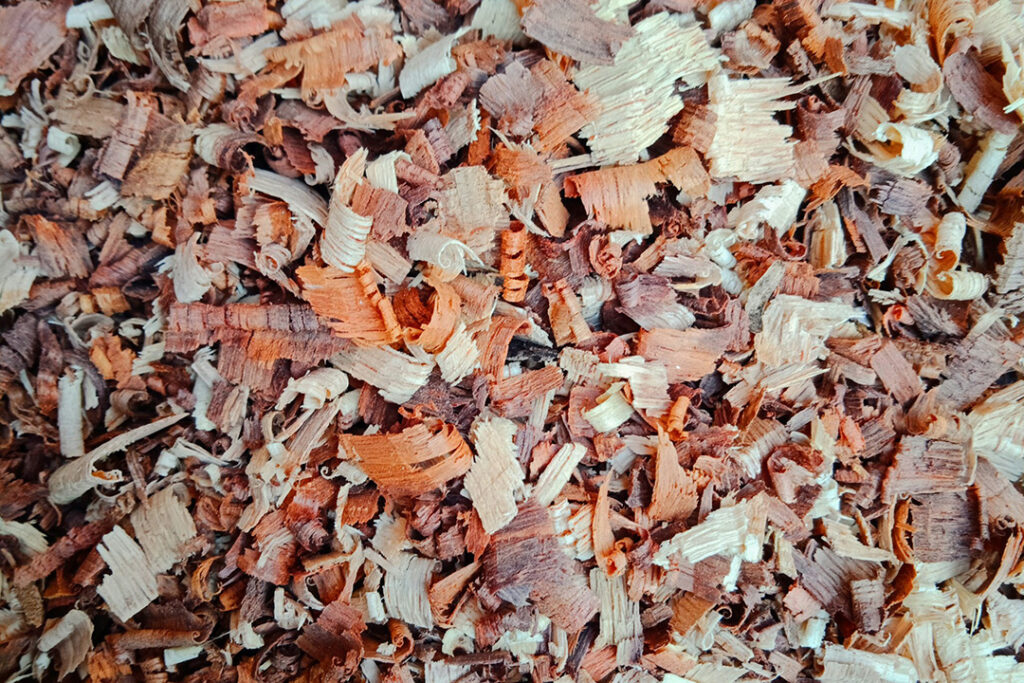
From forest to farm: The production of poultry bedding
Producing world-class bedding requires precision and attention to several factors. Commercial bedding in South Africa is mostly obtained from sustainable forestry operations that use commercial timber, like pine or eucalyptus. Several complex mechanical and thermal stages are involved in the transformation process:
- Chipping and shaving – Precision industrial wood shavers are used to process raw timber logs. The equipment is set to generate thin, curly, light wood shavings, in contrast to fine sawdust, which can cause serious respiratory discomfort and eye infections in newborn chicks. These curls maximise surface area exposure for the best moisture absorption and offer the perfect springy feel for comfort.
- Dust extraction – To ensure that the finished product protects avian lung health, the raw shavings go through a thorough screening and aspiration process to remove fine dust particles.
- Drying and dehydration – Large rotating drum dryers or high-temperature kilns are used to process the damp wood shavings. This is a crucial stage. The natural moisture content of wood is reduced by industrial dehydration from more than 50% to a rigid target range of 8% to 12%.
- Hygienic stabilisation – The intense heat used during dehydration efficiently sterilises the wood, eliminating any germs, insects, or latent fungal spores that may be present in the living tree.
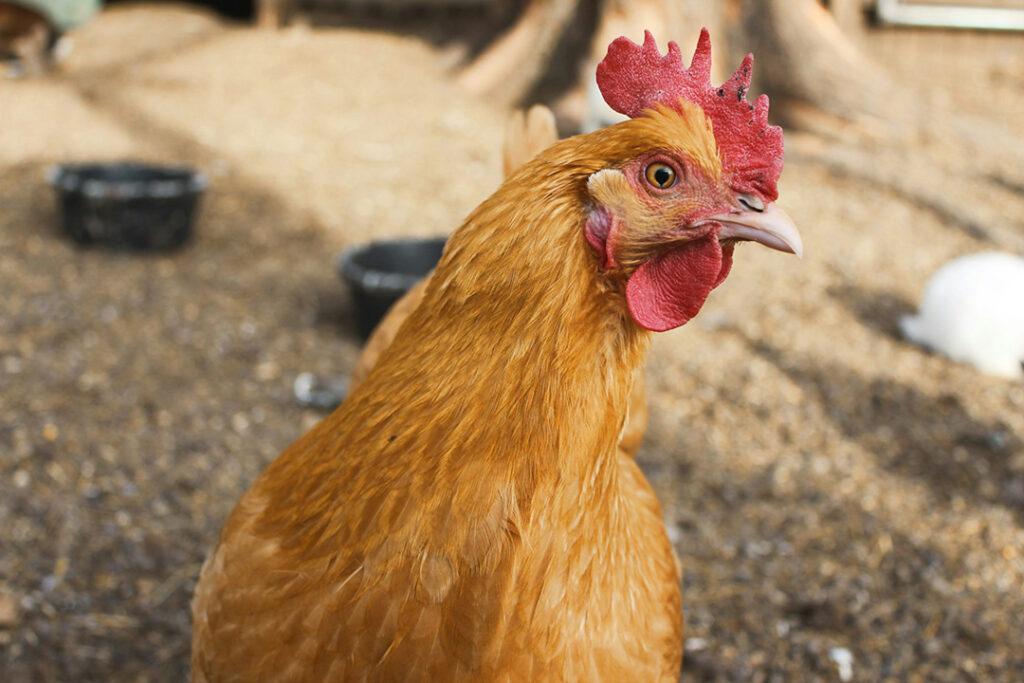
The importance of hygiene and moisture
The biggest threat to poultry bedding is moisture. During transportation and storage, wood shavings lose all of their usefulness if they come into contact with dampness, rain, or wet ground. Aspergillus mould spores, which cause brooder pneumonia – a fatal respiratory illness in newborn chicks – can grow in shavings with a high moisture content.
In addition, moist bedding speeds up the decomposition of bird faeces, which causes the poultry house’s ambient ammonia levels to rise. Elevated ammonia negatively impacts both corporate profit margins and animal welfare by causing respiratory tract damage, blindness, and footpad dermatitis (pododermatitis).
The wood bedding needs to be sealed in a clean atmosphere after it has been thoroughly dehydrated and sterilised at the mill. By transporting this commodity in loose packaging or open containers, you could expose it to the weather, dust, and possibly wild bird droppings (a major vector for avian flu). FIBCs offer a fully enclosed, protective barrier that keeps environmental risks out and seals hygiene in.
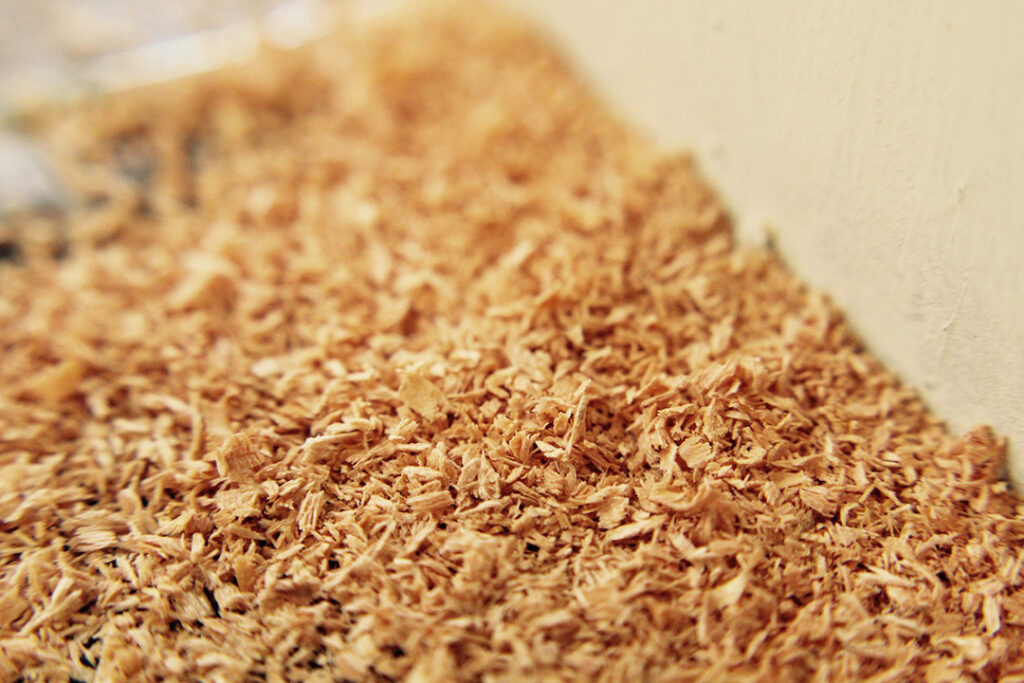
The best bulk bag requirements for poultry bedding
Standard bulk bags made for heavy aggregates like sand or mining ore won’t work well with wood shavings since they are a low-density, high-volume substance. To optimise volumetric capacity and optimise farm operations, packaging bedding requires certain design modifications.
1. Large volumetric measurements – Bedding makers need bags with maximum physical dimensions since a cubic metre of loose wood shavings weighs far less than a cubic metre of stone or ore. Bedding is best packed in tall FIBCs, such as 110 x 110 x 200cm or more, rather than the standard 90 x 90 x 90cm bag. This enables the mill to use conventional forklift heights while fitting a significant volume of compressed or loose shavings (usually between 300 and 500kg) into each bag.
2. Duffle tops for high-speed filling – Shavings are often supplied out of enormous overhead storage hoppers or cyclone separators at the forestry mill. A lightweight polypropylene skirt should be sewn around the bag’s top opening. For quick, spill-free filling, this skirt may be tailored to fit the diameter of the hopper mouth. It can then be securely fastened shut with a drawcord to provide an instantaneous, moisture-and dust-proof barrier.
3. Total bottom discharge spouts – The pace of distribution is important once the bulk bag gets to the chicken farm. With a discharge spout, farm workers can control the flow of shavings by positioning the bag inside the broiler house using a tractor or forklift. A total bottom discharge bag eliminates hours of hand shovelling by allowing the entire base of the bag to drop open, releasing the shavings precisely where they are needed for even faster deployment.
4. Coated polypropylene fabric – The woven polypropylene fabric can be ordered with an external or internal lamination (coating) to ensure that the bedding is not spoiled during transit on trucks. This coating effectively seals the weave in the fabric and protects the bag against moisture and direct sunlight. By filling in the minuscule holes in the weave, this layer of melted polypropylene guarantees that the wood shavings remain bone-dry.
5. UV-stabilisation – Bulk bags are often set up outside on pallets close to the broiler buildings. CBB incorporates high-quality UV stabilisers into the polymer mix during the extrusion process because raw polypropylene deteriorates when exposed to strong solar light. This keeps the fabric from breaking under the intense South African sun, guaranteeing that the bag may be lifted safely even after being left outside for several weeks.
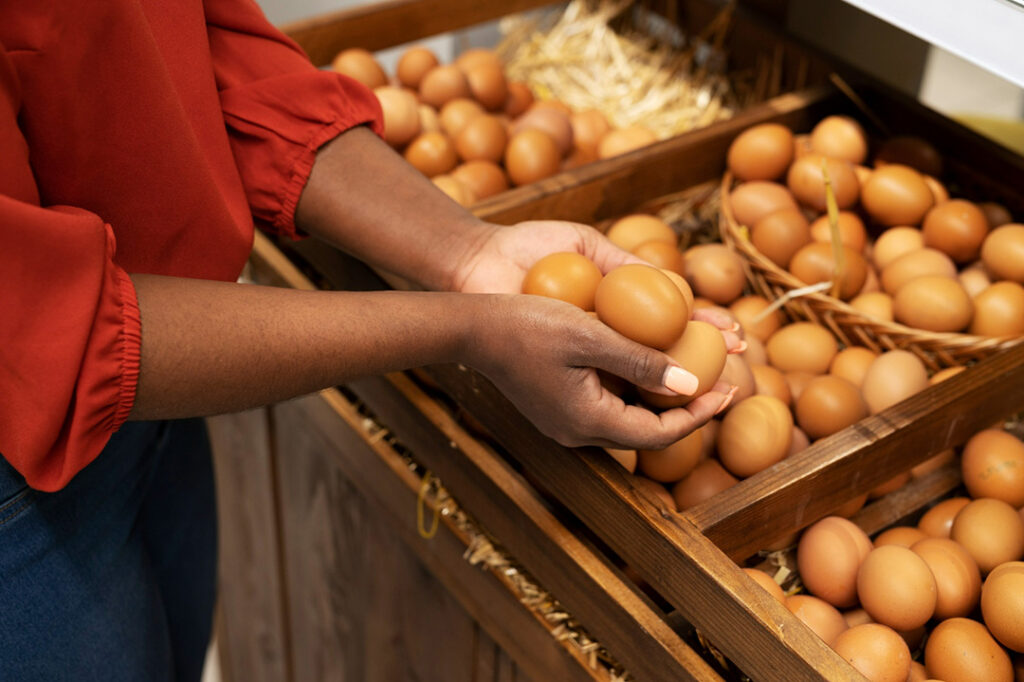
Why chicken farmers and bedding producers should partner with CBB
Both the forestry enterprises producing the bedding and the chicken farmers utilising it can immediately benefit economically and operationally from switching to a centralised FIBC bulk bag system. Handling small bags requires significant manual labour, increases the risk of bag punctures, and results in a mountain of waste.
A single bulk bag consolidates that entire volume into one easily mechanical lift. This slashes truck loading and unloading times, translating to lower fuel burn, reduced truck idling fees, and optimised labour allocation on the farm. When agricultural companies work with CBB, they are safeguarding their supply chain through a market leader that values:
- Affordability – Sourcing directly from a local manufacturer eliminates middleman markups and insulates your business from the price shocks associated with imported packaging, international shipping container shortages, and exchange rate volatility.
- Timely delivery – Broiler houses must be emptied, sanitised, re-bedded, and supplied within a constrained, multi-day timeframe in the hectic poultry cycle. Sourcing from CBB’s domestic production facilities in Durban ensures rapid manufacturing turnarounds and reliable, on-time delivery, meaning your operational schedule is never compromised.
- Expert customisation and professional service – Your production managers can collaborate directly with CBB’s technical teams. We evaluate your existing automated filling rigs or on-farm lifting equipment to design custom loop configurations, base sizes, and spout dimensions tailored to your exact environment.
- Uncompromising quality – Operating with stringent quality management controls, CBB ensures every batch of woven fabric meets exact tensile strength metrics and strict safe working load capacities.
Our unique manufacturing capabilities allow us to bridge the gap between two of South Africa’s most vital economic sectors: forestry (the source of raw biomass and wood processing) and agriculture (the end-use livestock sector). We engineer specialised, heavy-duty bulk bags that serve the entire forestry value chain, while simultaneously building food-grade and biosecure packaging solutions for the commercial agricultural sector.
Poultry bedding producers and chicken farmers can provide complete protection against moisture, prevent product loss, and turn their post-harvest logistics into a streamlined, highly profitable asset by switching to custom-engineered bulk bags from Custom Bulk Bags. Please contact us today for more information about our FIBCs or for advice on long-term storage with our products.
___
Custom Bulk Bags is a major South African manufacturer of woven polypropylene bags for various industries, including mining, chemicals and agriculture. We are a Level 2 B-BBEE supplier that falls under the ownership structure of Deneb Investments Limited. For more information on our products, contact sales@custombulkbags.co.za.
