
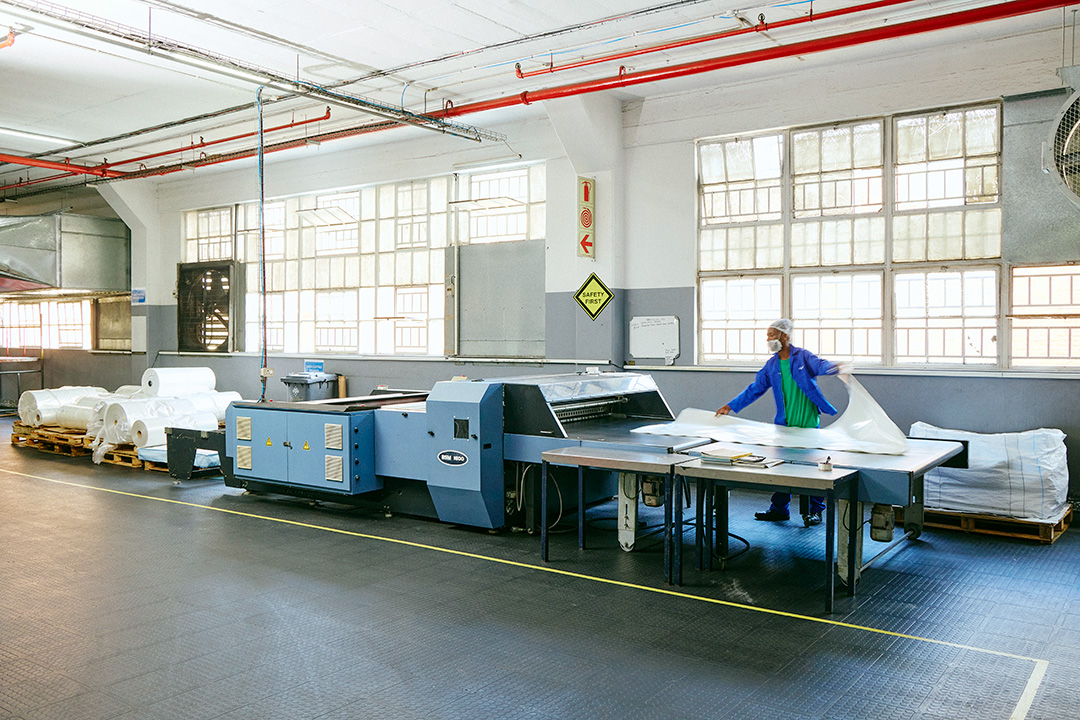
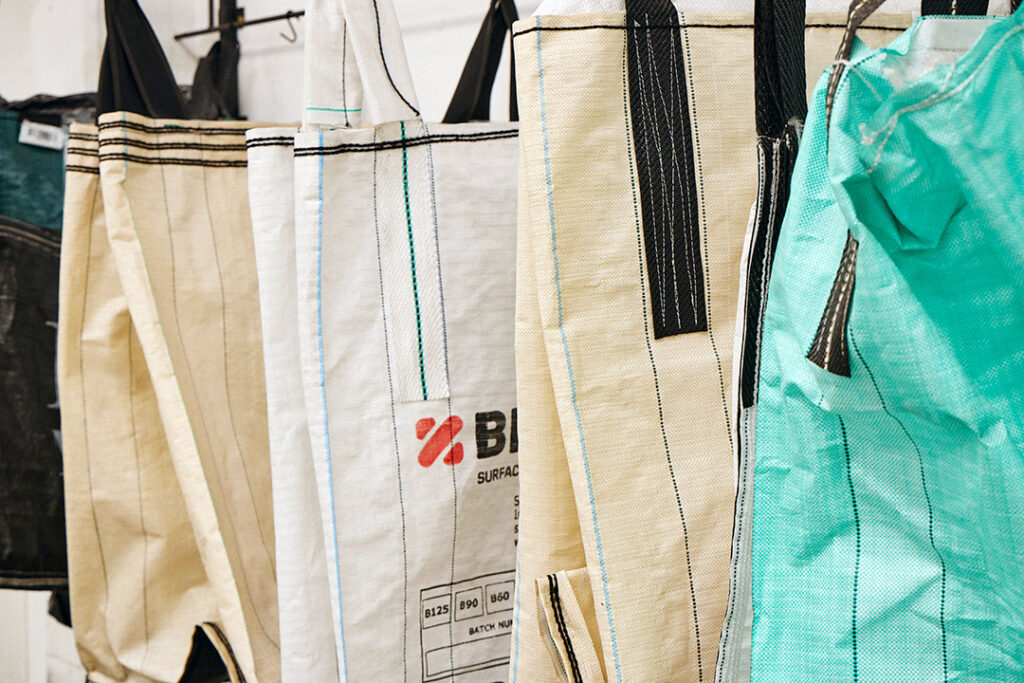
Flexible intermediate bulk containers (FIBCs), also known as bulk bags, are used throughout Southern Africa to transport large quantities of materials, some of which are food products. However, regular bulk bags are not suitable for direct food contact. Food-grade bulk bags demand a great deal of manufacturing precision and protocols for consumer health.
Custom Bulk Bags (CBB) has recently completed a rigorous and detailed certification process to become a fully certified food-grade FIBC manufacturer in South Africa, in response to the rising demand for agricultural and food packaging. This milestone means our local facilities meet stringent global hygiene and safety standards. We can produce up to 3.5 million bulk bags annually for food processing industries.
So, what exactly are these specialised FIBCs made of? Let’s take a look at the food-grade manufacturing process and how it differs from the regular bulk bag production flow.

What sets the food-grade manufacturing process apart?
The standard bulk bag is constructed for structural strength for things like mining ore or construction materials. The food-grade bulk bag is built to eliminate any possibility of chemical, physical or biological contamination. The actual manufacturing process requires a number of strictly controlled steps within a special environment:
1. Virgin polypropylene resin – The process starts at the raw polymer level. Most industrial bags have a percentage of recycled polypropylene to keep the cost of production down. This is forbidden for food-grade bags, which are made from 100% virgin polypropylene. This means that no trace chemical impurities or foreign agents can leach from the fabric into your ingredients.
2. Pressurised cleanrooms and air extraction – The major difference in the production line is the physical environment. Once the virgin resin is extruded into tapes and woven into fabric, the secondary assembly, sewing and folding of food-grade bags is done in a certified cleanroom facility that is completely isolated.
These clean rooms are run as positive-air-pressure systems with HEPA filtration. The system is constantly sending out clean air, so that no dust or insects from outside can enter the room. At the same time, dedicated vacuum systems are located around the floor to suck up loose microfibers, lint and dust produced during the sewing process.
3. Ultrasonic and thermal cutting – In traditional industrial bag manufacturing, woven fabric panels are cut with standard mechanical blades or hot knives, which can leave frayed strands. In food-grade production, the polypropylene fabric is cut using ultrasonic waves or high-precision heat-cutting tools. This melts and fuses the polymer edges instantly, eliminating any frayed yarns or loose threads that could otherwise end up in your food products.
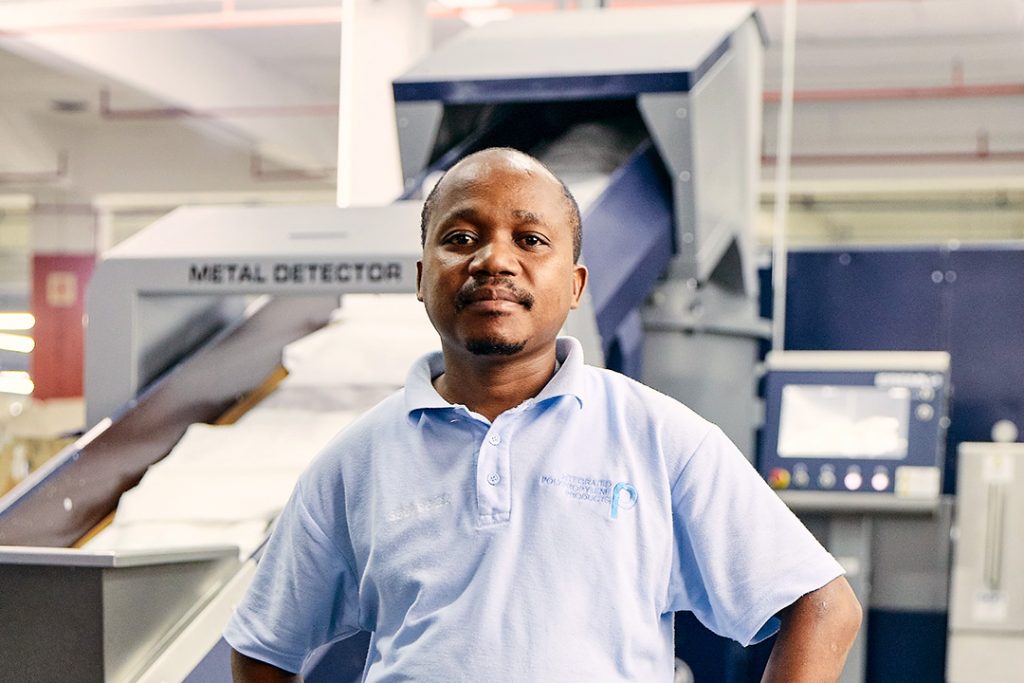
4. Inline metal detection – Before being folded, all food-grade bags have a full internal air wash to blow away any particles of debris. Then the workers place the bags on a conveyor belt and send them through a metal detector to scan for any broken tips of needles or heavier metal particles that may have been left behind after the air wash.
Meeting the demands of local supply and tight deadlines
South African companies that import bulk bags are placing themselves at risk of shipping delays and import duties. CBB is a proudly local, vertically integrated manufacturer with expansive infrastructure in South Africa and offers a highly reliable alternative. We have the unique ability to satisfy local supply needs on short notice with ease.
The entire manufacturing process is handled in-house, from extruding our own polypropylene tapes to assembling the bags in our certified cleanrooms, so we’ve got extremely short lead times. Local food processors can adopt lean and efficient “just-in-time” inventory models, with the confidence that their packaging will arrive just when it is needed.
The manufacturing of certified food-grade bulk bags is a meticulous and highly audited science. CBB has invested in these cleanrooms and procedures to provide global safety standards with the speed and affordability of local production. Please contact us today to chat with our knowledgeable sales team. We offer free advice and guidance to ensure you get exactly what you need.
___
Custom Bulk Bags is a major South African manufacturer of woven polypropylene bags for various industries, including mining, chemicals and agriculture. We are a Level 1 B-BBEE supplier that falls under the ownership structure of Deneb Investments Limited. For more information on our products, contact sales@custombulkbags.co.za.
